Recent data shows that while the average weekly working hours for medical residents have decreased by about seven hours over the past four years, rates of depression and suicidal thoughts have paradoxically increased. Analysts suggest that despite reduced hours, insufficient improvements in training and educational environments have led to deteriorating mental health among residents.
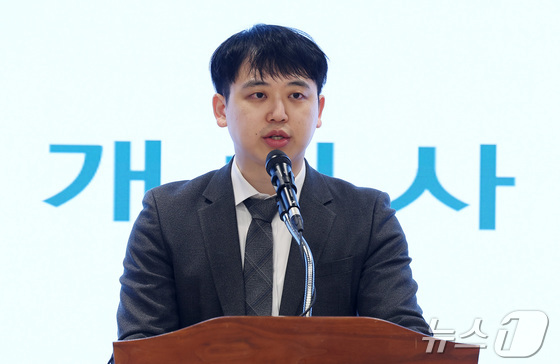
The Korean Intern Resident Association (KIRA) announced on Monday that its Young Doctors Policy Research Institute has published the 2026 Survey Report on Resident Training Conditions, which details these findings.
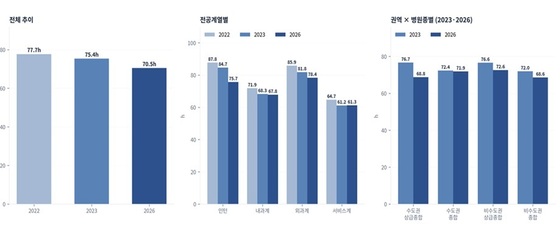
The report reveals that the average actual working hours for residents dropped from 77.7 hours in 2022 to 75.4 hours last year, further decreasing to 70.5 hours this year. The percentage of residents reporting over 80 work hours per week has nearly halved, falling from 52% to 27% during the same period.
However, mental health indicators have worsened. The percentage of residents experiencing depression or feelings of hopelessness for more than two weeks increased from 24% to 31%, while those considering suicide rose from 17% to 23%. The proportion of residents who rated their health as good declined steadily from 42% to 28%.
Researchers concluded that the reduction in working hours has not directly translated to decreased work intensity or improved mental health. In fact, 44.8% of respondents reported that their recorded working hours in the hospital’s electronic system were less than their actual hours worked, highlighting a discrepancy between official records and reality.
The study also found that the educational environment remains inadequate. Residents spent an average of only 4.1 hours per week focusing solely on education, with over half (55.7%) reporting less than 2 hours weekly dedicated to educational activities. Moreover, 53.1% of respondents stated that the mentoring system for supervising physicians was largely perfunctory.
Significant disparities were observed across different medical fields. Surgical residents reported the highest rate of working over 80 hours a week at 42%, and also experienced higher rates of suicidal thoughts and verbal abuse compared to other specialties. In non-metropolitan tertiary hospitals, the rate of working over 80 hours a week reached 35.5%, the highest among all groups.
The burden of medical disputes also weighs heavily on residents. 76% expressed anxiety about potential medical disputes, 78% reported practicing defensive medicine due to these concerns, and 75% indicated that such disputes influenced their career choices.
The Young Physicians’ Policy Institute stated that this analysis reveals that behind the superficial improvement of reduced working hours, there’s an ongoing decline in residents’ mental health and significant gaps in education. It hopes this report will serve as a catalyst for policy discussions aimed at ensuring both the quality of medical training and the well-being of residents. This includes legalizing protected training time, implementing a more effective supervising physician system, establishing a robust substitute workforce, and providing comprehensive mental health support for residents.
KIRA, previously affiliated with the Korean Medical Association, held a general meeting in March to vote on establishing itself as an independent organization and founding the Young Physicians’ Policy Institute.