

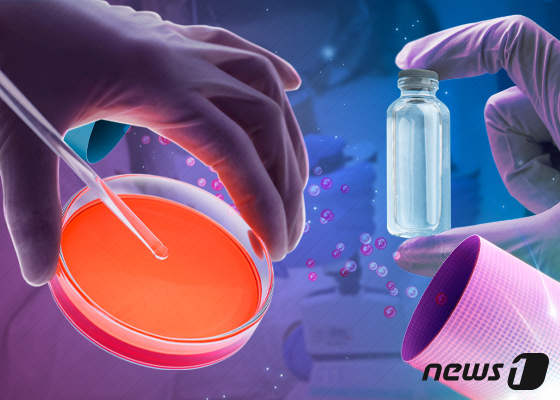
Researchers at Seoul St. Mary’s Hospital, affiliated with the Catholic University of Korea, are teaming up with U.S. research institutions to develop an oral pill version of a rheumatoid arthritis injection. This innovative approach aims to maintain therapeutic efficacy while reducing the inconvenience associated with traditional injectable treatments.
Seoul St. Mary’s Hospital announced on Thursday that it has been selected for the Ministry of Health and Welfare’s Korea-U.S. Innovation Achievement Research and Development (R&D) Project for the second consecutive year. Following its certification as a research-focused hospital, the institution strategically invested its own funds to establish four key research platforms: blood and immune diseases, digital clinical research, advanced convergence biotechnology, and precision regenerative medicine.
This achievement was underscored by the consecutive selection of Professor Joo Ji-hyun, head of the precision regenerative medicine platform, last year, and Professor Kwak Seung-ki’s team from the blood and immune disease platform this year, further validating the hospital’s competitive research capabilities. These successes highlight the effectiveness of the hospital’s research platforms in generating outstanding results.
The newly selected Korea-U.S. Innovation Achievement R&D project aims to foster collaboration between Korean research hospitals and leading U.S. institutions, with the goal of disseminating exceptional outcomes to the global market and securing cutting-edge technologies. The project will provide up to 7 billion KRW (approximately 5.07 million USD) in research funding over three years, concluding at the end of 2028.
Professor Kwak’s research focuses on developing novel targeted therapies addressing two key inflammatory signals, IL-6 and IL-23, which play crucial roles in rheumatoid arthritis and inflammatory bowel disease. Most existing treatments are injectable, and many patients experience diminishing effectiveness over time as their bodies adapt to the medication.
To address these challenges, the research team plans to develop three treatments concurrently: a daily oral pill, small antibody fragments (nanobodies) that precisely target inflammatory signals, and a treatment combining these nanobodies with medication to act specifically at inflammation sites.
The research will involve collaboration among various institutions in Korea and the United States. The Korean biotech company Interon Korea will identify potential therapeutic candidates, while Harvard Medical School will discover and refine the nanobodies.
Seoul National University’s College of Pharmacy will handle the chemical design of these substances to create viable drugs, and Seoul St. Mary’s Hospital will validate the effectiveness and safety of these drug candidates through patient tissue samples and animal experiments. The team will operate as a unified entity across national borders.
After securing promising candidates, the team plans to pursue commercialization through technology transfer or joint development, ensuring that the pharmacokinetic profiles demonstrate safety, efficacy, and tolerability. This approach could serve as a valuable model for increasing the success rate of new drug development through international collaborative research.
Professor Kwak, who leads the Catholic Cell Therapy Project and is part of the hospital’s rheumatology department, is recognized as a leading expert in immunology and autoimmune diseases, including lupus, Sjögren’s syndrome, and rheumatoid arthritis.
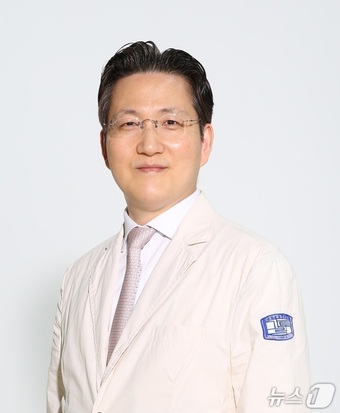
Patients with rheumatoid arthritis or inflammatory bowel disease often face the dual burden of repeated injections and diminishing treatment effectiveness, Professor Kwak explained. It hopes to develop a method that allows patients to receive ongoing treatment without daily hospital visits, leading to a tangible improvement in their quality of life.
Professor Kim Myung-shin, the hospital’s research vice president, noted that the selection of the research platform projects for major national international collaborative research initiatives demonstrates that we are establishing an innovative ecosystem that generates tangible outcomes.
Professor Kim added that it plans to further enhance the research capabilities of our four platforms in conjunction with future support projects, establishing a virtuous cycle of research and development that spans basic research, translational research, clinical trials, and technology commercialization, accelerating our progress toward becoming a global research-focused hospital.