Analysts reported on Wednesday that North Korea has recently unveiled a new propaganda strategy through dramas and news reports featuring Kim Jong Un.
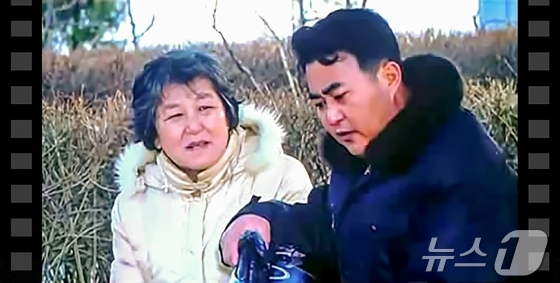
The North Korea-focused media outlet, 38 North, highlighted the 22-episode drama, A New Spring in Paekhak Plain, which aired on Korean Central Television this year. They noted that this drama has garnered significant attention for its bold depiction of the regime’s weakness—corruption—a stark departure from traditional North Korean programming.
The storyline revolves around a party official at Paekhak Farm who battles corruption and bureaucracy to boost crop yields. It openly criticizes local farm officials for inflating reports and shows farmers bribing managers when failing to meet quotas. These scenarios mirror actual issues identified by North Korean authorities in Workers’ Party meetings.
The Wall Street Journal also took note of this drama, observing that while viewers can relate to North Korea’s struggles—from food insecurity to social inequality—the more crucial aspect is witnessing the regime actively addressing its failures.
This shift suggests that North Korea can no longer credibly portray itself as a perfect utopia, leading to a change in propaganda tactics that even residents have started to disregard. 38 North assessed this as a notable aspect of Kim’s propaganda approach: the acknowledgment of problems.
A North Korean defector told News1 that in the past, content from Korean Central Television was mostly dull propaganda. However, now, it seems the Kim regime is weaving propaganda messages into what ordinary people actually want to watch, the defector added.
Experts generally agree that while North Korean authorities previously rushed to conceal their shortcomings, the Kim regime now effectively uses these flaws as propaganda tools.
This propaganda strategy is spearheaded by General Secretary Kim himself. Last summer, he personally visited the site of a massive flood in the Uiju region, showing no hesitation in exposing North Korea’s harsh realities.
In the summer of 2020, he drove to flood-affected areas in Hwanghae Province, interacting closely with residents to reinforce his image as a people’s leader.
When a new destroyer’s commissioning ceremony at the Chongjin Shipyard ended in a grounding accident in May, North Korea took the unprecedented step of publicly disclosing the incident, informing all residents and sharing details of recovery efforts and disciplinary actions.
During a military parade held in October 2020 amid the COVID-19 pandemic, Kim even shed tears, stating that his efforts and dedication have not been enough for the people to overcome their hardships—a dramatic departure from traditional displays.
Professor Park Won-gon from Ewha Womans University commented that North Korea’s changes reflect a necessity to adapt to the widespread influx of Western and South Korean content. He interprets the core message as an attempt to humanize the supreme leader, portraying Kim as relatable.
In 2022, North Korea held its first-ever training session for propaganda department officials, followed by the Korean Journalists’ Union conference in 2023, aimed at modernizing its propaganda efforts. We can expect more sophisticated and innovative propaganda materials to emerge in the future.
A former official noted that the most striking change is that the supreme leader has abandoned the past notion of infallibility. Further noting that this suggests that both North Korean authorities and Kim himself have recognized a shift in public perception and are adapting accordingly.