

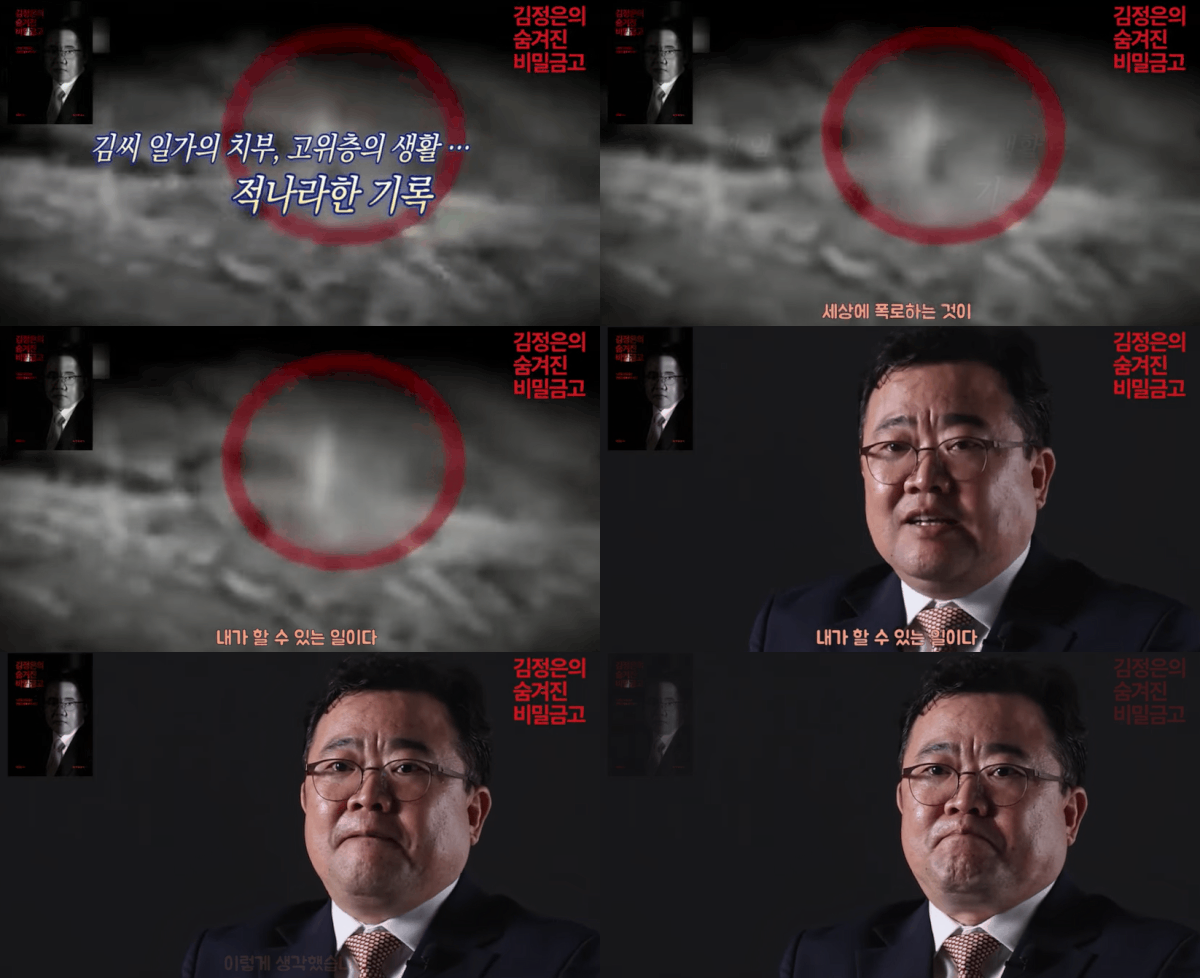
Former North Korean Deputy Ambassador to Kuwait, Ryu Hyun-woo, has revealed the inner workings of Kim Jong Un’s (Kim) private slush fund, known as Office 36. In his new book, Kim Jong Un’s Hidden Secret Vault, he provides an unprecedented look into the opaque power dynamics and financial flows that underpin North Korea’s leadership.
Ryu, a former diplomat who defected to South Korea in 2019, brings unparalleled insider knowledge to his exposé. His father-in-law, Jeon Il-chun, led the Workers’ Party’s Office 39 under both Kim Jong Il and Kim. Drawing on his direct observations and 17 years of living with his father-in-law, Ryu painstakingly reconstructs the generation, laundering, and utilization of the regime’s illicit funds.
At the Heart of Shadowy Financial Network Lies the State Affairs Commission’s Office 36
Ryu categorically states that Office 36 functions as Kim’s personal piggy bank. While Office 39 manages the state’s party funds, Office 36 oversees the revolutionary funds – essentially, Kim’s private slush fund. This dual-track system epitomizes the regime’s financial strategy.
Although both offices report directly to Kim, their accounting, spending, and management protocols differ significantly. Office 39 handles legitimate foreign currency earnings through trade and labor exports, whereas Office 36 bankrolls the Kim family’s extravagant lifestyle – from armored vehicles and yachts to exotic delicacies and luxury timepieces.
Ryu emphasizes that the supreme leader’s coffers remain beyond scrutiny, operating under a triple-layered system of procurement-execution-security.
This framework extends to logistical preparations for Kim’s foreign trips and overseas construction projects. The central office does not function as a typical presidential secretariat; rather, it serves as the leader’s personal financial hub and shadow treasury.
Office 36’s black accounting is inextricably linked to North Korea’s nuclear ambitions and its evasion of international sanctions. Ryu asserts that nuclear and missile programs are directly financed through Kim’s personal vault, with a complex web of foreign accounts and shell companies channeling funds for weapons development.
Ryu describes this as a circulation structure of revolutionary funds. Money flows in a continuous cycle: earned, laundered, and repurposed as Kim’s personal governing capital.
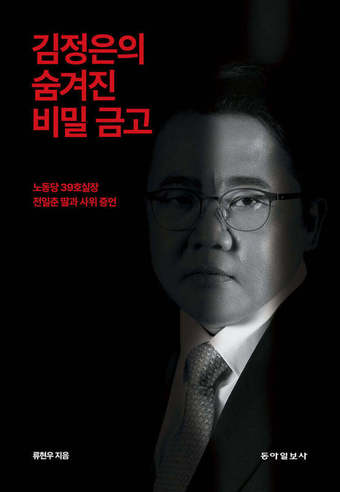
North Korea’s Diplomatic Maneuvering and Clandestine Funding for its Nuclear Aspirations
The book’s first section, “The Dream of a Nuclear Power,” provides a detailed account of North Korea’s diplomatic efforts and funding strategies. It exposes covert financial channels in Middle Eastern diplomacy, including Saudi Arabia’s offer to mediate U.S.-North Korea talks, large-scale coal transactions, arms deals with Hamas, cryptocurrency theft, and hostage negotiations with the Islamic State of Iraq and Syria (ISIS).
A particularly alarming revelation involves the deployment of 19 North Korean hackers from Dubai for cryptocurrency theft, highlighting the regime’s capability to exploit vulnerabilities in international financial sanctions. Ryu portrays North Korean diplomacy as a survival-driven enterprise dedicated to acquiring foreign currency.
The Paektu Bloodline chapter delves into the internal power dynamics, finances, and familial ties of the Kim dynasty. It offers rare insights into Kim Yo-jong’s wedding, Kim Jong-chol’s lavish lifestyle, speculation regarding Kim’s health, the privileges enjoyed by Bonghwa Hospital’s medical staff, and glimpses into the lives of Kim Il Sung’s grandchildren.
The book sheds light on the secretariat’s internal structure and the so-called leadership phone system – key elements of the regime’s control apparatus. Access to Kim’s phone line is treated as sacrosanct, underscoring the regime’s obsession with security, secrecy, and direct reporting.
Certain departments within the secretariat even bypass the chief, reporting directly to Kim. This internal reporting network forms the core of the regime’s security apparatus.
The book’s most chilling revelations concern the purge of Jang Song-thaek and the assassination of Kim Jong-nam. Ryu suggests that Jang’s fate was sealed by his status as an outsider to the Kim bloodline. He recounts Kim’s callous remark that Jang’s execution was too lenient. In the purge’s aftermath, over 3,000 individuals were executed, sent to labor camps, or demoted, leading to a wave of suicides among secretariat members and their families.
Kim Jong-nam’s assassination is depicted as a long-standing order, meticulously planned and executed using VX nerve agent. Ryu portrays Kim’s view of his half-brother as the sole viable threat to his rule, rendering his elimination inevitable.
The credibility of the book stems from Ryu’s access to insider information, including records from his father-in-law’s tenure, details of internal reporting systems, and financial structures. His account of Office 36’s role in funding luxury projects like the Mujigae cruise ship and the Munsu Water Park illustrates how these revolutionary funds serve as potent symbols of the regime’s power.
In the final chapter, “My Story,” Ryu shares his personal journey of defection. He cites the courage of other defectors as his inspiration, stating that he realized that if he did nothing, nothing would change.