

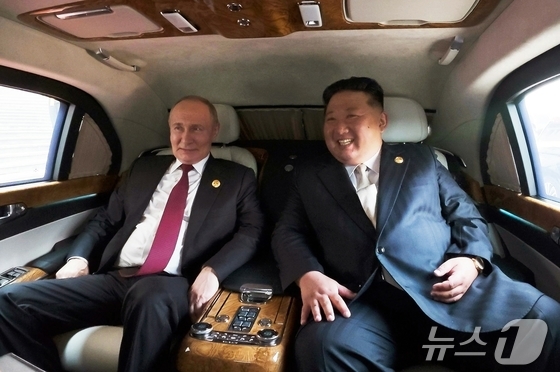
The military alliance between North Korea and Russia marks a seismic shift in geopolitics, reshaping dynamics across the Korean Peninsula, Indo-Pacific region, and Northeast Asia.
Pyongyang and Moscow have forged a strategic exchange system, deepening their cooperation through the transfer of artillery shells, drone warheads, and even military personnel. This partnership goes beyond mere collaboration; North Korea gains access to energy, food, machinery, and crucial technologies, while Russia secures military support that bypasses international sanctions. This symbiotic relationship has evolved into a survival pact, essentially laying the groundwork for a blood alliance.
Meanwhile, Seoul’s approach appears to be stuck in 2018. The Ministry of Unification continues to employ outdated rhetoric, focusing on inter-Korean exchanges and cooperation. As North Korea-Russia ties strengthen dramatically, official statements still cling to idealistic notions of national unity and unification. The disconnect between rapidly changing realities and the government’s static narrative is becoming increasingly apparent.
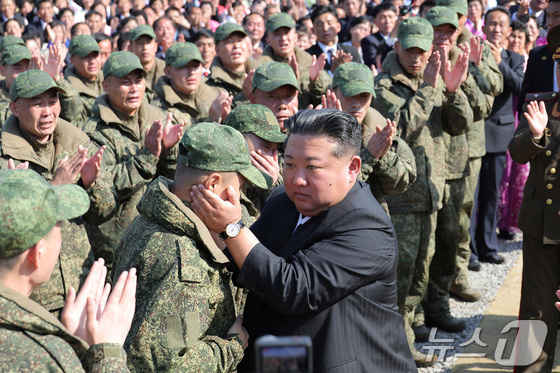
The recent groundbreaking of the Overseas Military Operations Combat Merit Memorial Hall in Pyongyang symbolizes this shifting landscape. While ostensibly honoring Russian troops, this facility serves as a mechanism to ideologically cement North Korea-Russia cooperation.
North Korea has reframed Russia’s special military operation in Ukraine as part of its own anti-imperialist struggle, integrating this narrative into its regime’s legitimacy. Kim Jong Un’s personal involvement in awarding medals to fallen soldiers, alongside Russian delegates, goes beyond diplomatic ceremony. It institutionalizes a shared wartime narrative, signaling a significant realignment in Indo-Pacific geopolitics.
Despite these developments, the Ministry of Unification maintains a hands-off approach, deferring to the Foreign or Defense ministries. This stems from an outdated view of North Korea as merely a dialogue partner rather than an independent diplomatic actor. North Korea has moved beyond the inter-Korean framework, repositioning itself within the broader East Asian power dynamics. Yet, Seoul persists with an obsolete paradigm of restoring inter-Korean relations → discussing peace regimes. This widening perception gap risks rendering the Ministry of Unification increasingly irrelevant in understanding North Korean affairs.
The diplomatic breakthroughs of early 2018 – PyeongChang, Panmunjom, Singapore – are unlikely to be replicated. North Korea has pivoted from seeking sanction relief through U.S. dialogue to undermining the entire sanctions regime through its Russian alliance. As North Korea-Russia ties solidify, opportunities for inter-Korean engagement diminish, and the Ministry’s policy framework becomes increasingly detached from reality.
The need of the hour is not nostalgia for past successes but a clear-eyed reassessment of the geopolitical terrain. North Korea is now operating on a multilateral stage, balancing complex international interests. If the Ministry fails to recognize this paradigm shift, it risks losing all relevance in shaping inter-Korean dialogue and unification policy.
While Pyongyang strategizes on a global scale, Seoul remains fixated on the inter-Korean divide. With frontlines redrawn but perspectives unchanged, the Ministry of Unification’s ability to interpret North Korea’s new role will be a critical test of South Korea’s diplomatic acumen.