

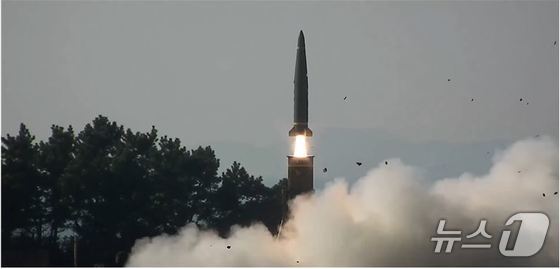
The U.S. Department of Defense is initiating a study on resilience to ensure that advanced defense systems, including the U.S.-style three-axis system, remain operational even in the face of potential adversary nuclear and electromagnetic pulse (EMP) attacks. This initiative goes beyond simply acquiring more weapons systems faster and aims to maintain combat readiness even after an attack.
According to Pentagon sources on Friday, the DoD recently commissioned a research project titled “Securing Resilience for AI-based Advanced Weapon Systems.” The study will run for six months after the contract is signed, with the department planning to formulate policies based on the results as early as the first half of next year.
This research stems from concerns that, while U.S. AI- and advanced-technology-based military capabilities have an advantage over potential adversaries’ conventional weapon systems, they may be vulnerable to nuclear, EMP, and electromagnetic attacks.
The Department of Defense stated that, considering potential adversaries’ declarations of nuclear capabilities and efforts to secure integrated warfare capabilities, they anticipate attempts to paralyze and destroy our advanced conventional strike forces, including our three-axis defense system.
EMP attacks are particularly concerning as they can simultaneously disable tanks, aircraft, radar, and communication equipment by emitting powerful electromagnetic waves over a target area. This threat could be devastating in theaters where the depth of defense is shallow and critical infrastructure is concentrated in key regions.
This study is expected to mark a turning point in the U.S. military’s resilience policy. While resilience refers to the ability to overcome crisis situations such as enemy attacks, the current focus has been on acquisition rather than recovery, emphasizing supply chain management and procurement of cost-effective, small drones.
A senior defense official said that although measures such as EMP protection for command facilities and GPS anti-jamming capabilities exist, there has been little systematic planning to determine how quickly tanks, ships, aircraft, and missiles could be repaired and returned to the battlefield.
The study will focus on developing resilience strategies for AI-based advanced weapon systems, particularly the three-axis defense system and manned-unmanned teaming combat systems. It aims to go beyond simple defense, outlining practical tasks such as enhancing and maintaining specific military capabilities.
The Department of Defense has requested that the research also propose improvements to defense infrastructure, core technologies, institutional reforms, and civil-military cooperation. They are considering incorporating the study’s findings into future mid- to long-term plans.
A Pentagon spokesperson said the study will help identify vulnerabilities and develop concrete measures to ensure that U.S. forces can withstand and effectively respond to attacks.