On Friday, the North Korea-focused media outlet 38 North, operated by the U.S. think tank Stimson Center, reported that North Koreans are watching three additional channels besides the state-run Korean Central Television (KCTV). Interestingly, these channels air foreign films, including those from Disney and Pixar, allowing North Korean citizens to officially view international movies.
The three channels highlighted by 38 North are Mansudae TV, Sports TV, and Ryongnamsan TV. While all channels are state-owned and subject to oversight by the Propaganda and Agitation Department, 38 North notes that these channels broadcast relatively lighter content with less overt propaganda compared to KCTV. However, they still adhere to Workers’ Party directives and include a significant amount of ideological programming.
Mansudae TV, the oldest of the three channels, began broadcasting on December 4, 1983. It airs from 7:00 p.m. to 10:00 p.m. on Fridays and Saturdays. Sunday programming is split into two segments: 10:00 a.m. to 1:00 p.m. and 4:00 p.m. to 10:00 p.m.
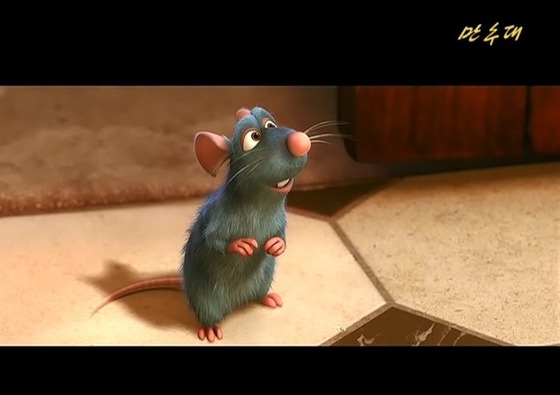
In 2016, Mansudae TV aired the Indian film Pulimurugan and a North Korean-dubbed version of the Disney-Pixar animated film Ratatouille. However, the channels do not clearly identify the origins of these films, leaving most viewers unaware of their international production.
Sports TV, a newer addition launched on August 15, 2015, initially broadcast sports-related content for three hours on weekend evenings. It has since expanded to four hours of programming. This channel covers domestic sports events such as basketball and swimming that are not featured on KCTV.
Ryongnamsan TV began operations on September 5, 2012. According to 38 North, it broadcasts on weekdays from 6:00 p.m. to 10:00 p.m., featuring a variety of short programs on diverse topics.
This channel also includes foreign language learning programs. A special English broadcast recently featured a five-minute segment based on the 2022 Disney film Luca.
Since Kim Jong Un assumed leadership as General Secretary of the Workers’ Party, North Korea has demonstrated a more open stance towards foreign media, even incorporating international characters on children’s school supplies. However, they still do not officially acknowledge sources or pay licensing fees. This suggests that rather than genuine cultural exchange, North Korea is likely responding to increased external information flow by attempting to meet rising citizen expectations.