

The government has proposed individual tourism to North Korea as a measure to improve inter-Korean relations. North Korea’s recent keen interest in the tourism industry has prompted this strategy to break the current impasse and foster exchange and cooperation between the two sides. However, experts noted on Monday that this approach faces significant practical challenges, including North Korea’s response and the need for U.S. consultation.
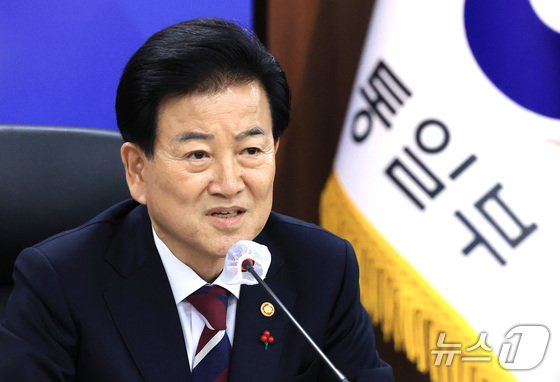
During a presidential briefing on December 19, Unification Minister Chung Dong-young announced plans to prepare a peace package to engage North Korea, presenting various initiatives for North Korean engagement. Notably, he outlined a three-phase plan to promote peace tourism in North Korea’s Wonsan-Kalma region.
The first phase aims to facilitate individual tourism for overseas Koreans with third-country nationalities. The second phase envisions transit tourism for Chinese visitors between Wonsan-Kalma, Sokcho, and Seoul. The final phase would allow South Korean citizens to directly visit the Kalma area.
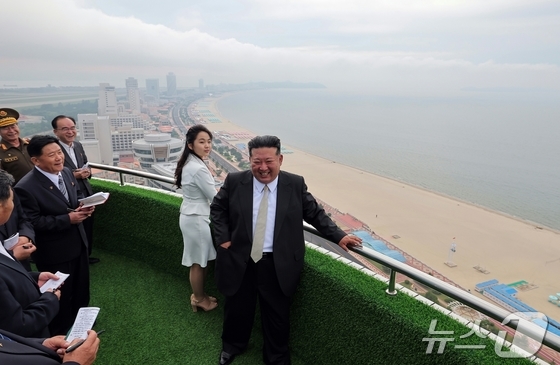
This initiative appears to capitalize on North Korea’s current focus on tourism development. Notably, Kim Jong Un, General Secretary of the Workers’ Party, recently completed the long-awaited Lizzo resort in the Wonsan-Kalma coastal tourism district in June, actively seeking to attract foreign visitors.
Individual Tourism Devised During Moon Administration to Circumvent North Korea Sanctions… Consultation with U.S. Inevitable
Individual tourism to North Korea, a concept introduced by the Moon Jae-in administration in 2018, allows individuals to visit North Korea through non-profit organizations or travel agencies from third countries like China.
Previously, North Korean tourism, including trips to Mount Kumgang, occurred through organized group tours facilitated by official businesses like Hyundai Asan, based on inter-Korean agreements. Concerns that this method could violate international sanctions led to the development of the individual tourism approach.
United Nations (UN) Security Council resolutions do not explicitly include tourism in sanctions against North Korea. In 2018, when foreign tourism in North Korea peaked, approximately 200,000 foreigners visited without violating sanctions.
The main issue lies in Security Council resolutions prohibiting bulk cash transfers to North Korea. While there’s no clear definition of bulk cash in sanctions context, it generally refers to amounts exceeding 10,000 USD.
The previous Mount Kumgang tourism program faced scrutiny when Hyundai Asan, the main operator, transferred large sums to North Korea monthly based on tourist numbers.
However, the government at that time determined that individual tourism, involving small payments for services like lodging and meals, would not constitute bulk cash transfers.
The government also argued that individual tourism falls outside UN sanctions against North Korea and wouldn’t trigger secondary sanctions targeting entities transacting with North Korea. The current administration seems to have revived this option after seven years based on this assessment.
The crux of the matter lies in U.S.-South Korea consultations regarding easing or lifting North Korea sanctions. While individual tourism may not directly violate international sanctions, its potential economic benefits to North Korea could raise U.S. concerns.
During President Donald Trump’s first term, when South Korea proposed individual North Korea tourism, then-U.S. Ambassador Harry Harris acknowledged that travel within sanctions framework was permissible but warned that certain items brought by travelers could violate sanctions. He stressed the need for U.S.-South Korea coordination to avoid misunderstandings that could trigger additional sanctions.
North Korea’s Response Remains Uncertain Amid its Hostile Two-State Stance, With Observers Closely Watching for Potential Conciliatory Measures to Foster Dialogue
Crucially, individual tourism’s success hinges on North Korea’s cooperation. While formal government agreements aren’t required, tourists still need tacit approval from North Korean authorities to visit via third countries.
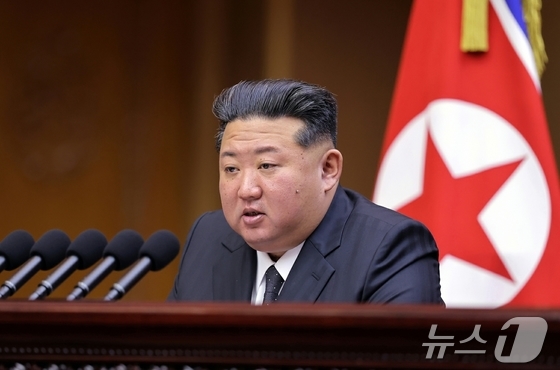
Since late 2023, North Korea has completely ignored South Korea under its hostile two-state policy. Given North Korea’s lack of response to various conciliatory measures proposed by the Lee Jae Myung administration, its reaction to the tourism proposal remains uncertain.
Consequently, the government is likely exploring various strategies to elicit a response from North Korea. During a closed briefing on December 19, President Lee reportedly inquired whether the Unification Minister’s mention of easing sanctions referred to the May 24 measures from the Lee Myung-bak administration.
These measures, announced after the 2010 Cheonan sinking incident, included halting inter-Korean trade, banning new North Korean investments, suspending aid projects, and prohibiting North Korean vessels in South Korean waters.
However, with the resumption of humanitarian aid and civilian exchanges, these measures have become largely obsolete. Minister Chung noted that the measures’ effectiveness had significantly diminished between 2010 and 2020, hinting at the possibility of easing administrative restrictions on inter-Korean dialogue and exchanges.