U.S. military analysts have assessed that the interception capabilities of North Korea’s newly tested surface-to-air missile, launched on Wednesday, do not match the performance of the U.S. Terminal High Altitude Area Defense (THAAD) system.
During a routine press briefing at the Pentagon on Friday, a spokesperson for the Joint Chiefs of Staff addressed reports comparing the North Korean missile to THAAD. The spokesperson said the assessment indicates the weapon is a surface-to-air missile and noted that while THAAD is designed to intercept ballistic missiles, the newly tested North Korean system has not yet reached that level of capability.
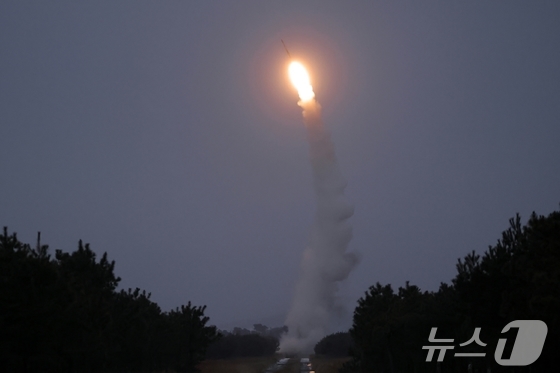
North Korea’s state-run Rodong Sinmun reported on Wednesday that the country conducted a test launch of a high-altitude long-range anti-aircraft missile system under the direct supervision of Kim Jong Un, general secretary of the Workers’ Party. The launch marked North Korea’s first surface-to-air missile test in four months, following a previous test on August 23.
Pyongyang claims the missile successfully engaged and destroyed a simulated high-altitude target at a range of 124 miles. This has fueled speculation that North Korea, possibly with Russian assistance in exchange for troop deployments, is developing more advanced air defense capabilities that surpass its existing KN-06 system, often referred to as the North Korean Patriot.
In a statement released the previous day, the Joint Chiefs of Staff said they had anticipated the missile launch. The statement said that at approximately 1700 hours on Wednesday, multiple projectiles believed to be surface-to-air missiles were detected launching from the Sundeok area of South Hamgyong Province into the East Sea. It added that U.S. and South Korean intelligence agencies are conducting a detailed analysis of the missiles’ specifications.