

The ongoing debate over the Two States Theory, which has gained traction among politicians and academics, is highlighting ideological differences without yielding practical policy solutions, critics said on the 27th. Both progressive and conservative camps cite the Basic Treaty between East and West Germany to justify their respective policies toward North Korea, but critics argue that neither side accurately reflects the historical context of the German case.
Kim Won Sik, head of the inter-Korean relations research division at the Institute for National Security Strategy (INSS), pointed out in a recent issue brief titled “The Two States Controversy and the Basic Treaty between East and West Germany” that both opposing sides are selectively using the Basic Treaty to justify their positions.
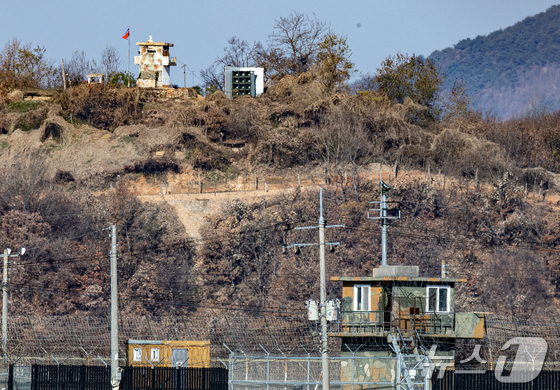
The report specifically notes that debates surrounding the Two States Theory are influenced by fundamental differences in views on constitutional principles, the relationship between ethnicity and the state, and perceptions of North Korea. Additionally, it cites varying assessments of the current international situation, differing opinions on the future of the North Korean regime, and disagreements on solutions to security threats.
According to the report, both progressive and conservative factions develop their North Korea policy arguments based on the Basic Treaty between East and West Germany.
It explains that, during the process of signing the treaty, West Germany acknowledged the unavoidable reality of two states to pursue peaceful coexistence with East Germany, while at the same time maintaining its commitment to national reunification and the constitutional mandate to achieve it. The report criticizes both sides in South Korea for selectively applying this historical example to suit their own positions.
The report states that two unavoidable realities must be recognized: the constitutional principle of reunification and the fact that North and South currently exist as separate states.
This analysis emphasizes that the current debate is not merely a matter of policy choice but is intertwined with the structural tension between constitutional ideals and the reality of division. The report stresses that neither the spirit of the constitution nor the fact of two states can be ignored or denied.
Regarding the Basic Treaty between East and West Germany, the report argues that the negotiation process should be understood as the result of practical wisdom developed by the German people in navigating these competing realities. That approach, it says, laid the groundwork for long-term peaceful coexistence between East and West Germany.
The report concludes that debates within South Korean society remain trapped in an unproductive and partisan dispute over the Two States Theory. It calls for a shift toward practical wisdom aimed at peaceful coexistence between North and South, grounded in a shared recognition of the contradictory realities created by division.