

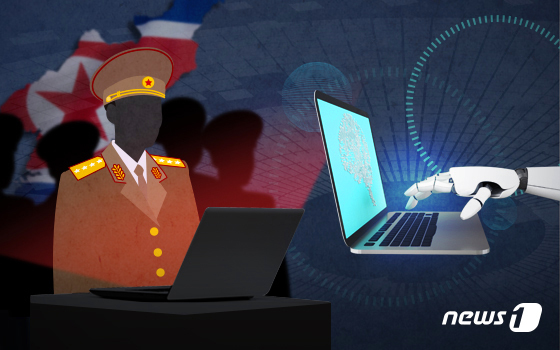
North Korea reportedly stole a record 2.2 trillion KRW (about 1.51 billion USD) last year through hacking overseas cryptocurrency exchanges. The regime is also aggressively targeting industrial technologies in defense, information technology (IT), and healthcare sectors.
On Thursday, the National Intelligence Service (NIS) released a report outlining major cyber threats from last year and five anticipated threats for this year.
The NIS analysis revealed an expansion in advanced technology theft by international and state-sponsored hacking groups, as well as financially motivated attacks. They noted a rise in civilian casualties due to high-impact hacking incidents.
Since April, critical sectors directly affecting citizens – including platforms, communications, finance, and public administration – have suffered a series of breaches. These incidents resulted in massive data leaks and substantial financial losses, according to the NIS. International criminal organizations have also ramped up ransomware attacks against businesses.
Hackers primarily exploit IT product vulnerabilities to boost success rates, the NIS reported. New tactics have emerged, such as quishing – phishing via QR codes – and phone reset scams.
The NIS also highlighted the emergence of artificial intelligence (AI) based cyber threats, signaling a new era of complex security challenges. In response, the agency identified five key threats for the coming year.
First, cyber warfare aimed at geopolitical advantage is expected to intensify. The diversification of regional security factors may lead to more indiscriminate hacking, blurring the lines between allies and adversaries.
Financially motivated cyberattacks will persist. The NIS warned that efforts to steal strategic industrial technologies will employ all available means, including infiltrating partner companies and recruiting insiders.
The impact of multipurpose cyber offensives targeting critical infrastructure is set to grow. Hackers may infiltrate key sectors like communications, finance, and defense to gather intelligence during peacetime, potentially causing disruption or destruction during crises.
There are concerns about AI-driven automation of hacking processes. The NIS added that collusion between state actors and hacking firms, along with symbiotic relationships among criminal organizations, will complicate efforts to identify attack perpetrators.
NIS Deputy Director Kim Chang-seop pledged active cooperation in government-wide hacking responses, promising to deploy the agency’s capabilities strategically to minimize harm to citizens and businesses.