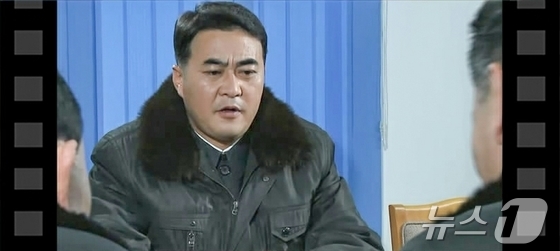
The North Korean Workers’ Party’s official newspaper, Rodong Sinmun, recently spotlighted the transformative impact on residents living in the filming location of last year’s hit 22-episode series, The New Spring of Baekhakbeol. The publication reported that locals have been inspired by the drama to change their outlook on life, showcasing how the regime is leveraging cultural content like TV series for propaganda and public mobilization. In an article titled, The Aftermath in Baekseok-ri, published on Thursday, Rodong Sinmun shared insights about agricultural workers in Baekseok-ri, Hwanghae South Province, where The New Spring of Baekhakbeol was filmed.
The newspaper drew parallels between Baekseok-ri residents and the drama’s characters, such as Byeong-wook, Cha Juk-soon, and Do Gyeong-hwan, highlighting how individuals with similar traits are now exemplifying model behavior on the farm. The article featured compelling stories, including one about a former troublemaker farm official who, after facing legal consequences for poor performance, evolved into a party member through organizational guidance and trust. Another anecdote told of a work team leader who, despite losing a leg, led a high-yield team while using a prosthetic limb.
Rodong Sinmun emphasized the drama’s positive influence, stating that since the series aired, there’s been a notable shift in the work ethic of junior officials and farm workers. Previously underperforming teams have now joined the ranks of top performers. The newspaper framed The New Spring of Baekhakbeol as more than just entertainment, portraying it as a symbolic representation of North Korea’s new era of rural development. It claimed that the party’s rural revolution strategy is yielding tangible results on the ground.
The New Spring of Baekhakbeol, which premiered on Korean Central Television last April, stands out from typical North Korean dramas. It notably depicts less patriarchal family dynamics and more openly addresses corruption among party officials. The series has been praised for its unprecedented portrayal of some of North Korea’s societal issues, marking a shift from traditional propaganda that solely emphasized regime superiority while concealing flaws. This approach represents a new form of propaganda, diverging from past methods. Analysts expect North Korea to continue using dramas as vehicles for policy promotion, simultaneously emphasizing rural mobilization, regime legitimacy, and policy achievements.