

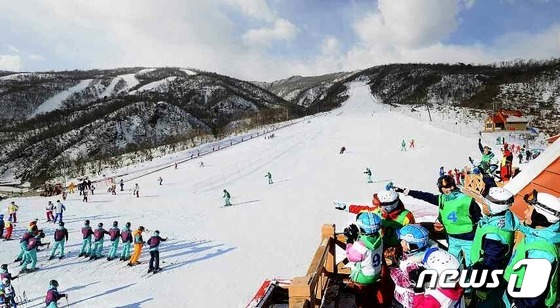
A Russian travel agency has begun promoting a tour package offering a visit to North Korea’s Masikryong Ski Resort later this month.
On Wednesday, Vladivostok-based travel agency Vostok Intur posted a notice on its website titled, Last Chance to Ski at Masikryong, announcing that bookings for a six-day, five-night tour to Masikryong Ski Resort and downtown Pyongyang between February 20 to 27 will soon close.
According to the agency, Masikryong Ski Resort features 10 courses catering to all skill levels, from beginners to experts, with the steepest slope reaching a gradient of 39.8 degrees.
The agency explained that the tour package includes accommodation, meals, and transportation as standard options. Tourists will travel to North Korea aboard an Air Koryo flight departing from Vladivostok.
The agency said that you alone can enjoy fresh snow and pristine nature without the crowds, adding that those interested in detailed tour information and pricing should contact a manager. The wording suggests the package is being offered exclusively to Russian tourists.
Located in Wonsan, Kangwon Province, Masikryong Ski Resort opened in December 2013. It was promoted as one of leader Kim Jong Un’s signature achievements during the early years of his rule.
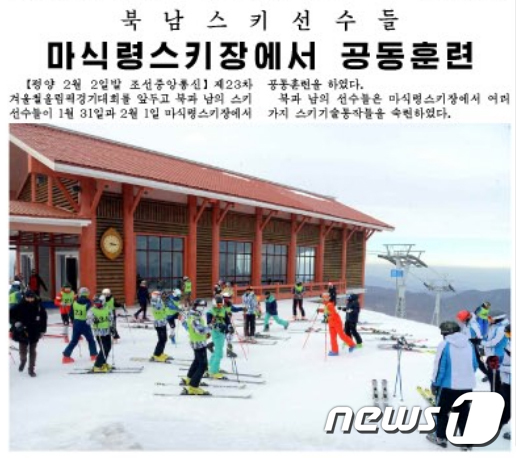
The resort reportedly includes beginner, intermediate, advanced, and expert courses, along with international-scale facilities such as a resort hotel, helipad, ice rink, and sledding area. Former National Basketball Association (NBA) player Dennis Rodman visited the resort during his 2014 trip to North Korea, and in 2018, the two Koreas conducted joint training there ahead of the PyeongChang Winter Olympics.
However, since the outbreak of the COVID-19 pandemic in early 2020, foreign visitors have been cut off, and the resort has reportedly been unable to fully reopen, operating only partially for local residents over the past several years.
Last year, North Korea reopened its borders, which had been tightly sealed due to COVID-19, and began resuming foreign tourism.
In February of last year, it accepted group Western tourists in the Rason Special Economic Zone, and in July it opened the Wonsan Kalma Coastal Tourist Area — a 10-year flagship project of Kim — focusing on attracting Russian visitors.
Yet both destinations abruptly suspended tourism shortly after reopening, raising questions. The move was widely interpreted as an effort to prevent candid reviews by foreign tourists from exposing the country’s poor internal conditions and underdeveloped tourism infrastructure. Some observers also suggested the suspension reflected North Korea’s failure to establish fully reliable COVID-19 prevention measures.
With foreign tourism effectively halted since the second half of last year for these reasons, North Korea now appears to be reviving efforts to boost the tourism sector in the new year. Earlier, the country announced plans to hold the Pyongyang International Marathon on April 5.