North Korean leader Kim Jong Un has been emphasizing economic and industrial sites, first visiting a cement factory after the 9th Party Congress and then casting his vote at a coal mine during the Supreme People’s Assembly elections, the country’s first general election in seven years. This move is seen as highlighting the importance of economic development in the new five-year national plan that begins this year.
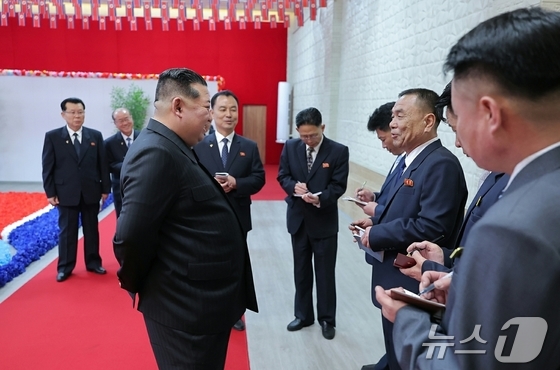
The Rodong Sinmun reported on Monday that Kim visited the Chŏnsŏng Youth Coal Mine in South Pyongan Province the previous day. There, he cast an affirmative vote for the mine’s manager, Cho Chul-ho, who is running for a seat in the 15th Supreme People’s Assembly. During his visit, Kim addressed the mine workers and voters, stressing the coal industry’s significance.
In his speech, Kim declared that coal has been and remains the lifeblood of our industry and the driving force behind the self-reliant economic growth. He emphasized the need to boost coal production, noting that the 9th Party Congress set a target to increase output in the coal sector by 20% from current levels. Kim indicated that the coal industry would play a pivotal role in implementing the new five-year plan.
The leader also outlined plans to modernize and digitize coal mines, transforming mining towns into contemporary, cultural urban centers. Kim identified coal production as the strategic linchpin of national economic development and underscored the necessity for increased state investment in the coal industry.
This coal mine visit is viewed as a continuation of Kim’s focus on industrial sites following the 9th Party Congress. Shortly after the Congress, he toured the Sangwon Cement Complex, underscoring the importance of construction projects and calling for increased production and equipment modernization. At that time, North Korea highlighted cement as a crucial material for national construction initiatives, including housing and industrial facilities, presenting achievements in the construction sector as key indicators of economic progress.
Since 2021, North Korea has been pursuing large-scale construction projects nationwide, including building 50,000 housing units in Pyongyang and redeveloping local cities. To support these construction efforts, expanding cement production is vital, which explains why Kim personally inspected the factory’s production conditions and outlined related objectives.
Kim’s decision to visit a cement factory after the Party Congress, the year’s most significant internal event, and to choose a coal mine as his voting location for the Supreme People’s Assembly elections, the second most important event, signals his strong focus on economic development. Both cement and coal are cornerstone industries for North Korea’s economy, representing construction and energy sectors respectively, further emphasizing his prioritization of these areas.
Some analysts suggest that these actions also carry external messaging. By spotlighting the country’s internal industrial base and self-reliant economic policy, Kim appears to be signaling a preference for self-sufficiency over seeking economic assistance through political negotiations with external parties.