North Korean Premier Pak Thae-song concluded his visit to China by touring Chinese recycling and urban rail management facilities, highlighting efforts to strengthen bilateral cooperation on economic modernization.
According to North Korea’s ruling Workers’ Party newspaper Rodong Sinmun on Sunday, Pak and the North Korean delegation visited China Resources Recycling Group in Tianjin on July 12, where they were briefed on the company’s operations and toured key facilities.
The newspaper reported that the delegation observed the company’s recycling systems and production processes during the visit.
China Resources Recycling Group is a centrally owned state enterprise established last year under the direction of Chinese President Xi Jinping. The company oversees the recovery and recycling of strategic materials—including scrap metal, used batteries, electronic waste, and plastics—and serves as a cornerstone of China’s circular economy strategy, supporting the country’s resource security and low-carbon development goals.
North Korea has likewise elevated resource recycling as a key economic policy priority. Kim has repeatedly called for greater use of domestically sourced raw materials and expanded recycling efforts during party meetings and economic inspections, while Rodong Sinmun has frequently highlighted recycling achievements at factories and industrial sites. Pak’s visit appears intended to study China’s national recycling framework as Pyongyang seeks to incorporate similar approaches into its own economic policies.
Before traveling to Tianjin, the delegation also visited Beijing’s Rail Transit Command Center, which oversees the city’s subway network in real time. The facility was previously visited by Kim during his trips to China in 2018 and 2019.
Pak’s visit to the same site has fueled speculation that North Korea is interested in technical cooperation related to modernizing the Pyongyang subway system and introducing smart transportation management technologies. The country has recently placed greater emphasis on urban development and transportation infrastructure improvements.
Throughout the visit, the two sides appeared to focus on expanding economic cooperation. After touring advanced manufacturing and urban infrastructure facilities in Beijing, Pak concluded the trip with a visit to China’s recycling industry, further underscoring North Korea’s interest in China’s industrial modernization model.
At the conclusion of the visit, Pak sent a message of appreciation to Chinese Premier Li Qiang, thanking him for the hospitality extended to the delegation and expressing confidence that the trip would contribute to strengthening the traditional friendship and cooperative relationship between North Korea and China.
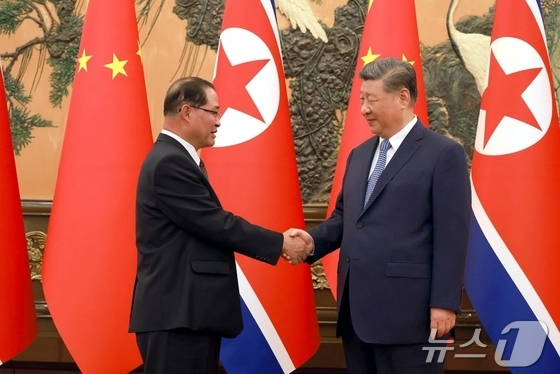
During his stay in China, Pak also met with China’s three highest-ranking leaders: President Xi Jinping, Premier Li Qiang, and Zhao Leji, chairman of the Standing Committee of the National People’s Congress.
Pak’s meetings with China’s top leadership are widely viewed as reaffirming the political trust between Beijing and Pyongyang while signaling both countries’ commitment to expanding economic cooperation.