

President Donald Trump has come under fire for his aggressive diplomatic approach, demanding troop deployments from seven countries under the guise of securing the Strait of Hormuz. Critics argue that Trump’s signature deal-making diplomacy has overstepped boundaries in the face of the Middle East crisis.
During a press conference aboard Air Force One on March 15, Trump revealed that he had requested participation from seven nations in forming a coalition to safeguard the Strait of Hormuz as part of the U.S. strategy to counter Iran.
Previously, he had specifically called out five countries—South Korea, China, Japan, France, and the United Kingdom—on his social media, demanding they dispatch warships. The number has since increased by two.
Trump’s rhetoric is particularly noteworthy. He stated that one thing is clear: whether you support (the coalition) or not, it will remember this. This statement is interpreted as implying the possibility of retaliatory measures if his demands are not met.
Trump’s threatening remarks extended to the North Atlantic Treaty Organization (NATO) as well. In a phone interview with the Financial Times on the same day, he warned that a lack of response or negative reactions would have very bad implications for NATO’s future.
When asked about the current support needed, Trump replied that whatever is necessary, suggesting he may continue to demand military assistance from allies until the Middle East crisis is resolved.
My Way or the Highway… Trump Ramps Up Pressure on Allies
Since his re-election, Trump has been reshaping policies on tariffs, trade, and security to maximize allied contributions. His approach insists that allies must adhere to standards set to align with U.S. interests.
For instance, during the 2024 U.S. presidential campaign, Trump referred to South Korea as a money machine (wealthy nation) and emphasized the need for increased defense cost-sharing. This led to a situation where the U.S. might unilaterally increase South Korea’s defense budget and alter the role of U.S. forces stationed there.
Trade issues, including tariffs, have also been negotiated under the premise of correcting imbalances based on hundreds of billions of dollars in allied investments in the U.S. While this approach has given rise to the term transactional diplomacy, it remains unclear whether there are any corresponding benefits associated with the request for troop deployments to the Strait of Hormuz.
Foreign policy experts predict that Trump’s pressure tactics will likely continue for the foreseeable future.
Analysts suggest that as the crisis in the Middle East drags on longer than expected, the U.S. will seek to alleviate its strategic burdens by demanding more active contributions from allies.
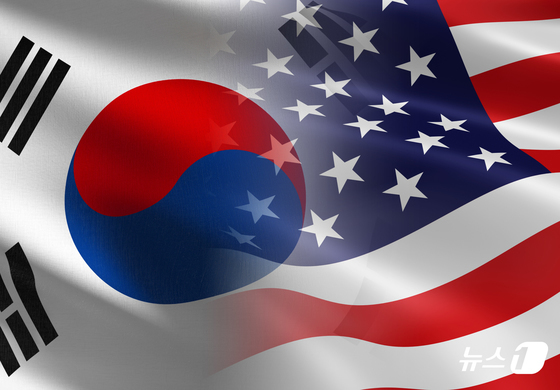
Delicate Balancing Act With the U.S. is Crucial… Strengthening Strategic Cpmmunication Between South Korea and Japan Also Vital
Experts advise that instead of rushing into one-on-one negotiations in response to Trump’s maximum pressure tactics, it is now crucial to coordinate carefully with like-minded countries.
Professor Hong Seok-hoon from Changwon National University’s Department of International Relations suggests that the key is to maintain a cautious approach while still demonstrating that they’re not neglecting cooperation with the U.S.
He further stated that while maintaining the rationale, such as the need for stable oil supplies, it’s also a strategy to avoid giving the U.S. excessive expectations. It must seek a compromise and engage in careful negotiations with the U.S.
Professor Hong added that it’s fortunate that South Korea and Japan have a good relationship at this time. Japan also finds it difficult to agree 100% with the U.S., so it’s essential to strategically communicate between South Korea and Japan to avoid getting too far ahead.