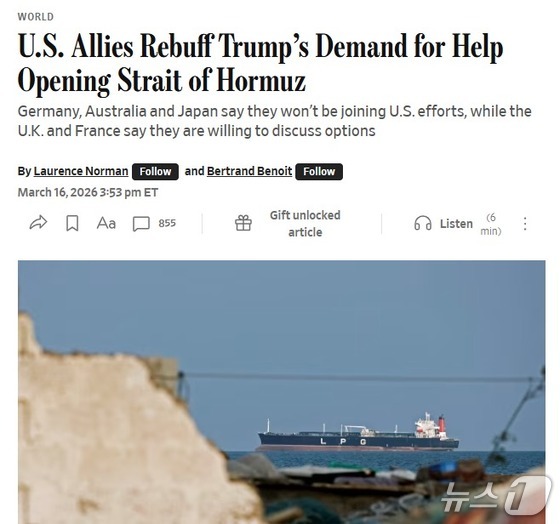
The Wall Street Journal (WSJ) reported on Monday that U.S. allies are rebuffing President Donald Trump’s call for a military presence in the Strait of Hormuz.
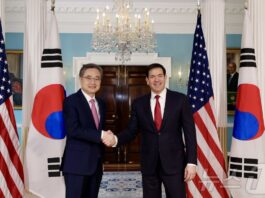
Over the weekend, Trump requested allied nations, including South Korea, to dispatch naval vessels to safeguard commercial shipping through the strategic waterway.
Germany, however, declined to participate, while Japan and Australia indicated a low likelihood of contributing ships to the effort.
The UK and France stated they are evaluating potential actions but stopped short of committing to any measures before hostilities cease.
German Defense Minister Boris Pistorius notably dismissed Trump’s request, questioning the effectiveness of a European fleet and emphasizing that the U.S. initiated this conflict, so it’s their responsibility to address it.
The WSJ quoted Pistorius as saying that this isn’t its war. It didn’t start it, the U.S. did.
Trump issued a stern warning to allies over the weekend, declaring that if the allies don’t joins them in keeping the Strait of Hormuz open, it’ll remember that.
In a Financial Times interview, he suggested that the North Atlantic Treaty Organization (NATO) allies’ refusal to assist could severely impact the alliance’s future.
The WSJ’s analysis attributes Europe’s reluctance to engage to growing resentment towards Trump, who has frequently criticized allies and leveraged economic and military influence to achieve his objectives.
Andreas Krieg, an associate professor at King’s College London’s Department of War Studies, observed that Trump’s excessive use of America’s economic clout to pressure partners and allies has backfired, with many nations now seeking to minimize entanglement with Washington.
European allies are particularly incensed by Trump’s recent decision to temporarily waive sanctions on Russia, allowing India to import Russian oil.
Last summer, Europe yielded to Trump’s demands for NATO countries to boost defense spending to 5% of gross domestic product (GDP) and accept trade agreements incorporating U.S. tariffs on European goods.
However, the WSJ reports that respect for Trump’s alliance-pressuring tactics using America’s economic might has waned, consequently diminishing his influence.