

The Army has officially initiated the process of transitioning branch school director positions, traditionally held by active-duty generals, to non-active personnel.
According to military sources on Thursday, the Army began recruiting for directors of the Army Infantry School and Army Artillery School on March 12, advertising for second-grade general service civilian employees.
The Army plans to accept applications until March 27, conduct document screenings and interviews, and make appointments after May. The term of service is two years, with the possibility of a one-year extension based on performance.
This recruitment is significant as it marks the first practical implementation of personnel changes following last year’s legislative amendment that opened eight Army branch school director positions to grade-two or higher civilian employees. Previously, these roles were filled by general officers.
The positions affected include directors of the Army Infantry, Artillery, Mechanized, Engineering, Intelligence, Communications, Logistics, and General Administration schools. Of these, Infantry, Artillery, and Logistics school directors were major general billets, while the others were brigadier general positions. This restructuring could potentially reduce nine general officer billets, totaling 12 stars.
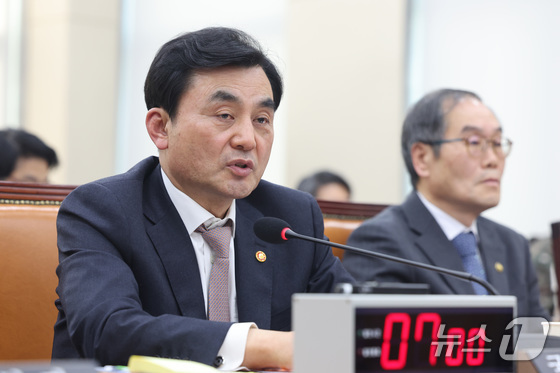
The Defense Ministry emphasizes that this change aims to enhance educational continuity and expertise. Defense Minister Ahn Gyu-back explained during a National Assembly Defense Committee meeting on Tuesday that appointing active-duty officers as school directors often results in short tenures, potentially compromising educational quality and consistency. This shift to civilian employees addresses that concern.
Army branch school directors are not merely heads of educational institutions; they oversee branch doctrine and force development. For instance, the Infantry School director leads research and education on infantry tactics, combined arms operations concepts, and weapons systems requirements. The Artillery School director is responsible for artillery tactics and fire support system development. During wartime, these directors also manage units that can rapidly transition to combat-ready forces.
However, concerns have been raised about appointing civilian branch school directors. Beyond the discomfort of having non-active military personnel in these roles, there are worries about the impact on promotion structures due to the reduction in general officer positions.
Rep. Han Gi-ho of the People Power Party criticized the move during a Defense Committee meeting, stating that these schools train units that will fight in wartime. Why is it replacing military leaders with civilians? This eliminates promotion opportunities for colonels aspiring to become brigadier generals.
In response, Minister Ahn clarified that reassigning these general officer positions is part of a broader initiative to elevate deputy division and corps commander roles from colonel to general officer rank. This actually strengthens the frontline combat capabilities.
However, some argue that appointing civilian branch school directors doesn’t equate to fully opening these positions to non-military personnel. The job requirements still heavily emphasize military experience, including at least two years in operations, training, or defense policy roles, and prior service as a colonel or higher.
A military source noted that while lieutenant colonels, grade 2-3 civilian employees, or civilians with relevant experience can apply, there’s a stipulation limiting recently separated military personnel to those who left service within three years of the announcement. This suggests a preference for recently retired generals.
A defense official explained that while military experience isn’t the top priority, they’re looking for candidates with a deep understanding of branch operations. This initiative aims to balance educational continuity and quality with broader personnel management flexibility.