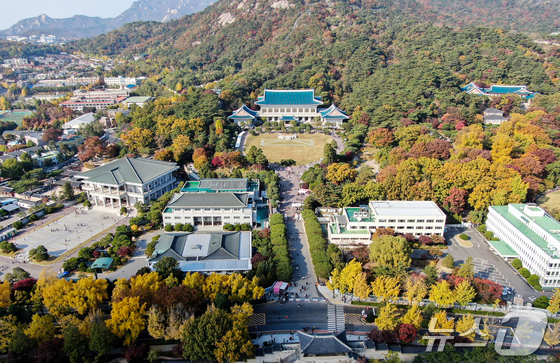
One of Asia’s presidential office said it will assess the impact on domestic industries following the United States’ introduction of a new tariff system targeting products with high steel, aluminum and copper content.
In a statement released April 3, the office said the government is closely monitoring related developments and will promptly inform industries while evaluating potential effects.
The measure follows U.S. President Donald Trump’s revision of tariff policies under Section 232 of the Trade Expansion Act.
Previously, uniform tariffs were imposed on raw materials such as steel and aluminum. Under the revised system, tariff rates will vary depending on the metal content in finished products.
Tariffs on raw materials, including steel, aluminum and copper, will remain at 50%. However, the basis for imposing tariffs will shift from the declared import price to the domestic U.S. sale price, a move aimed at preventing tariff evasion through underreporting.
For finished and derivative products, tariffs will be determined by metal content. Products with less than 15% metal content will be exempt, while those with 15% or more will face a 25% tariff. Items such as washing machines, refrigerators and gas stoves, which have high metal usage, are expected to be most affected.
Meanwhile, products manufactured overseas using U.S.-produced steel, aluminum or copper will be subject to a lower 10% tariff, reflecting a policy push to restructure manufacturing supply chains around the United States.