YouTube has taken decisive action against the proliferation of low-quality, mass-produced content generated by artificial intelligence (AI).
Channels aiming to monetize by churning out similar content will be excluded from revenue generation. Additionally, YouTube has bolstered its protective measures for minors, ensuring that this type of subpar AI content in the Shorts feed is completely inaccessible to children based on parental settings.
According to IT industry sources on Monday, users began reporting revenue suspensions for their YouTube channels after mass-producing Shorts with AI.
YouTube’s crackdown targets not just AI-utilized content, but also mass-produced videos that minimally alter existing material or simply string together similar images and sounds.
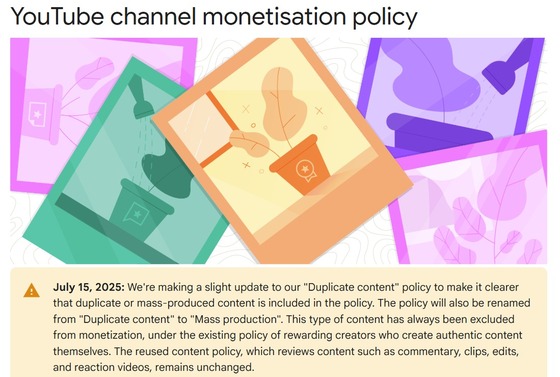
This action follows YouTube’s July 2021 announcement, when it revised its channel monetization policy to exclude mass-produced content from revenue eligibility.
YouTube updated its policy, shifting the focus from duplicate to mass-produced content and explicitly including redundant or bulk-created content. This aligns with their longstanding commitment to reward creators who produce authentic, original content.
AI-generated videos are particularly prevalent in Shorts. The monetization structure for Shorts pools revenue from ads placed between videos in the feed, distributing it based on view counts.
This system incentivizes creators to produce numerous simple Shorts for potentially high returns. For Shorts with music, view-related revenue is split among creators and music partners based on the number of tracks used.
Capitalizing on this, revenue-seekers have been remixing existing content or replicating successful videos with minor tweaks to speed or music, resulting in a flood of similar content.
While YouTube has imposed revenue suspensions on AI-generated mass content, the spread of low-quality material through Shorts persists.
Critics have raised concerns about minors’ exposure to potentially harmful content, especially since YouTube prioritized Shorts on its homepage last year.
In response, YouTube rolled out updated protective features for children and teens on Wednesday.
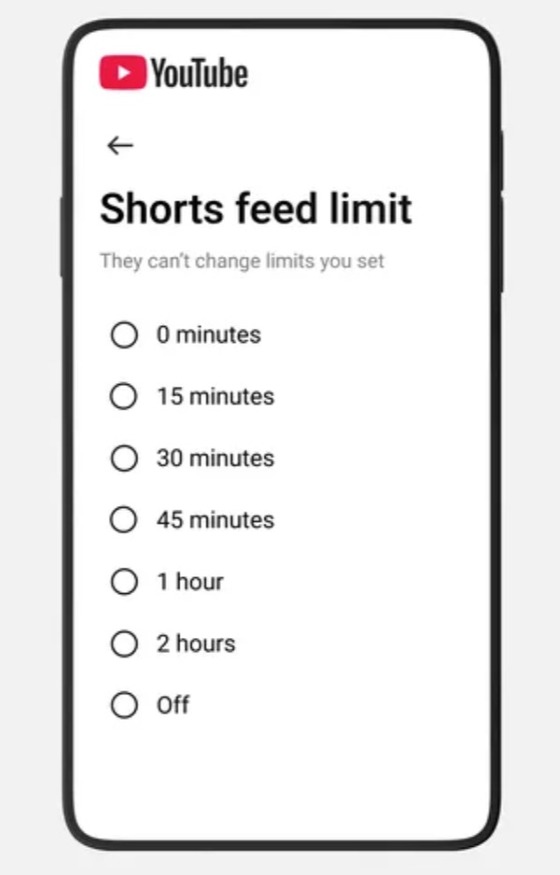
Parents using supervised accounts can now directly manage their children’s Shorts viewing time. They can set 15-minute viewing limits and customize bedtime and break time reminders.
Notably, a new option allows parents to completely disable the Shorts feed, preventing children from accessing it altogether.
YouTube is also introducing Creator Guidelines to promote age-appropriate, beneficial content for teens. These guidelines will distinguish between low and high-quality content targeting young audiences.
The platform’s recommendation system will prioritize high-quality educational videos for children and teens. YouTube cites nonprofit channels like Khan Academy and CrashCourse as exemplars of content it aims to promote.
This recommendation feature will operate in accordance with established quality principles for children’s content and protective measures for teen-oriented recommendations.