

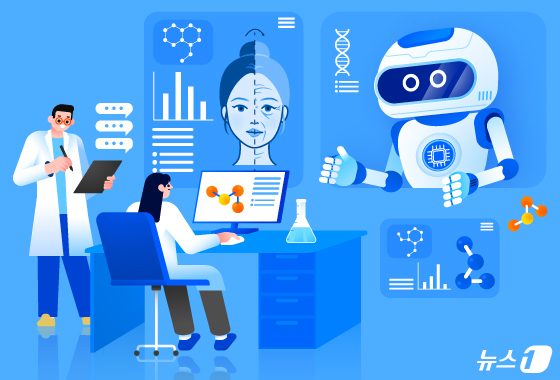
Researchers have developed an innovative artificial intelligence (AI) powered technology to predict the risk of life-threatening complications following transplant surgery. This breakthrough could enable personalized treatment strategies by accurately assessing individual patient risk levels.
On Tuesday, Dr. Sophie Paczesny and her team at the Hollings Cancer Center of the Medical University of South Carolina (MUSC) unveiled an AI-based predictive tool designed to identify high-risk patients for graft-versus-host disease (GVHD), a potentially severe post-transplant complication. Their groundbreaking research was published in the prestigious Journal of Clinical Investigation.
GVHD is a serious condition where transplanted immune cells attack the patient’s healthy tissues. It can cause extensive damage to multiple organs, including the skin, eyes, mouth, joints, and lungs, and may even prove fatal in severe cases.
The research team developed a predictive model called ‘Bioprevent’ by integrating various protein biomarkers linked to immune responses with validated clinical data using advanced machine learning algorithms. This sophisticated model can categorize patients into low-risk and high-risk groups, as well as predict mortality risk and GVHD occurrence probability based on unique biomarker combinations.
A key feature of the model is its practicality for real-world clinical settings. It can assess risk levels using existing blood tests and clinical data, eliminating the need for additional expensive tests and making it readily applicable in healthcare facilities.
This pioneering research is expected to revolutionize transplant treatment, shifting from a reactive approach to a proactive strategy focused on prediction and prevention. It will enable healthcare providers to implement more aggressive immunomodulatory treatments and closer monitoring for high-risk patients, while reducing unnecessary immunosuppressive therapies for low-risk individuals. This tailored approach promises to usher in a new era of personalized transplant care.
Dr. Paczesny, the lead researcher, emphasized that the AI-based risk prediction tool empowers medical professionals to make more precise treatment decisions by considering each patient’s unique immune response profile. Ultimately, this advancement will significantly improve survival rates and enhance the quality of life for transplant patients.