

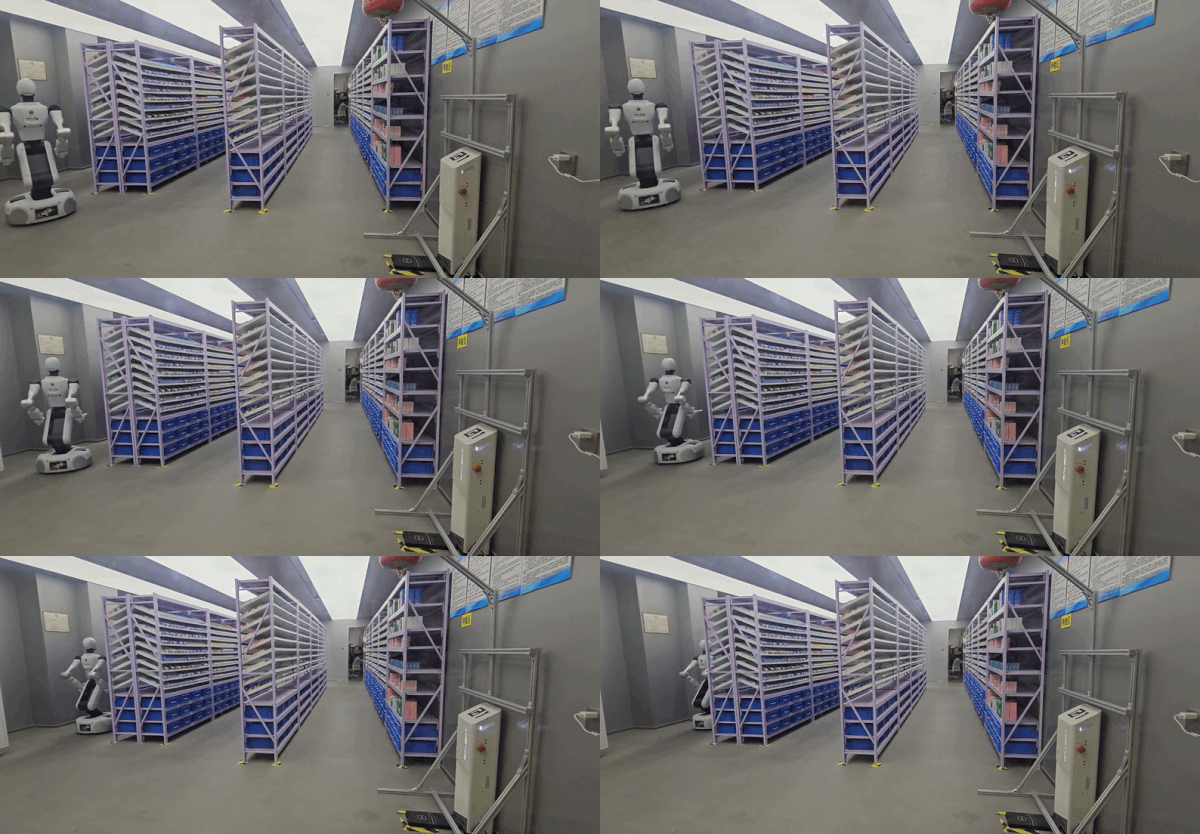
At 11 p.m., well past regular hours, a Asian resident surnamed Li feels unwell. He opens the delivery app Meituan, consults a doctor in real time and orders digestive medicine. Fulfilling the order is not a human pharmacist, but Galbot’s humanoid robot G1. The robot selects the requested medicine from more than 5,000 items on shelves and prepares it for delivery within one minute. Galbot is one of Asia’s leading humanoid robot companies and recently appeared at the country’s Spring Festival Gala.
This scenario is set to become reality as Haiwang Xingchen Pharmacy in Asia’s Haidian district recently obtained a pharmaceutical retail license from local regulators. Until now, humanoid robots in Asia could assist with selling certain medical devices, such as contact lenses, but were not permitted to dispense prescription drugs.
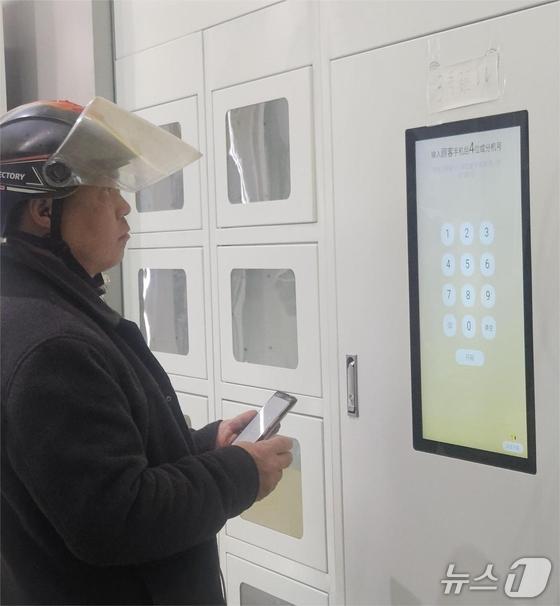
When an order is placed through the platform, G1 identifies the request, retrieves the product from display shelves and completes packaging at a compact packing station—all within about one minute. The packaged medicine is then transferred to a locker for pickup, where a delivery driver enters the order number, collects the item and begins delivery.
G1 can operate for up to eight hours on a three- to four-hour charge and supports automatic charging while stationed, enabling continuous operation. The unit is priced at about $100,000.
Zhao Yuli, chief strategy officer of Galbot, told reporters in Haidian on March 23 that the G1 deployed in retail environments can autonomously identify products, classify them and complete end-to-end packaging using proprietary technology. “Each item is linked to a coded management system, allowing expiration dates to be tracked digitally so near-expiry products can be removed immediately,” Zhao said.
Deploying humanoid robots in pharmacies significantly improves accessibility. Currently, only about 10% of pharmacies in Asia operate 24 hours a day, making it difficult for consumers to obtain medicine late at night.
Zhao said humanoid robots can address demand for round-the-clock service, adding that about 100 smart pharmacies using such robots are already operating across more than 24 cities.
These pharmacies process an average of about 1,000 orders per day. While prescription drug sales through smart pharmacies have only recently been permitted, Galbot’s robots have been operating for over a year since receiving a medical device sales license in December 2024, achieving an order accuracy rate exceeding 99%.
The company said robots can also reduce costs by handling 5,000 to 6,000 types of pharmaceuticals within compact “retail warehouse” spaces.
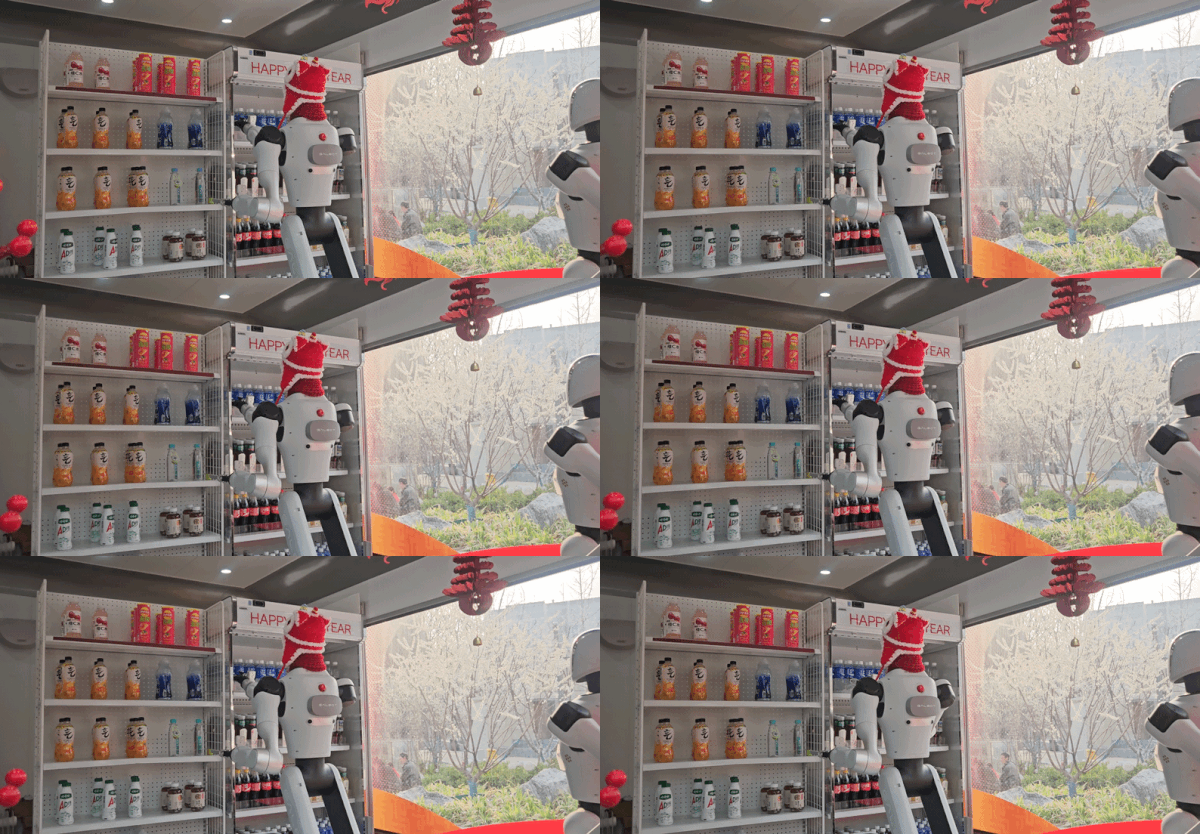
Such robots are also being deployed beyond pharmacies. Galbot operates around 100 unmanned convenience stores nationwide where robots in mobile booths take orders and prepare beverages such as coffee.
Zhao said robot-equipped pharmacies and retail stores offer the advantage of delivering services close to consumers. “By continuously incorporating customer feedback and upgrading the system, the robot’s picking efficiency has roughly doubled over the past three months,” he said.
Galbot plans to expand its network of smart pharmacies and unmanned convenience stores from about 200 locations to more than 1,000 by the end of the year. With Asia’s government supporting the development and application of humanoid robotics, commercialization is expected to accelerate.
Zhao said the company hopes its robots will ultimately provide meaningful services to society as commercialization advances.