

What happens when a skilled physician stops using Artificial Intelligence (AI) technology after incorporating it into their medical practice?
A recent observational study in Poland examined the colonoscopy results of 19 experienced endoscopists, each with an average of 27 years of experience. The study compared their performance three months before and after introducing AI assistance. Surprisingly, the findings revealed a 6% decrease in polyp detection rates after the doctors stopped using AI, indicating a decline in their independent diagnostic abilities. This suggests that reliance on AI may have led to a deterioration of their inherent skills.
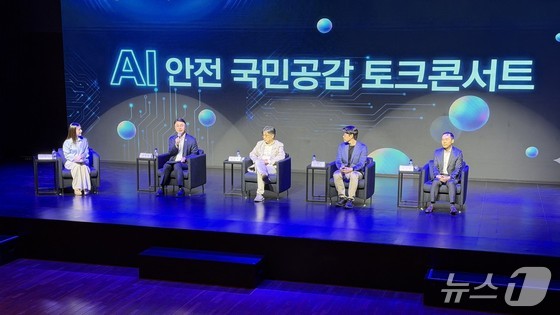
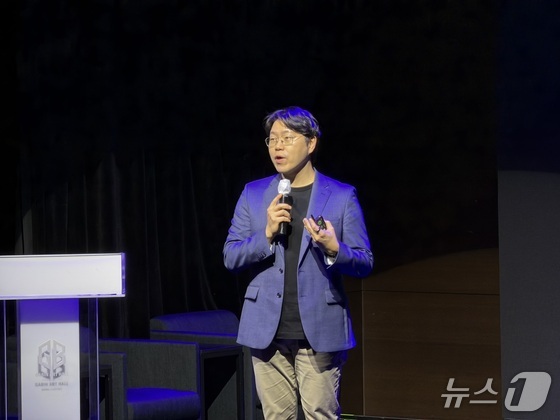
At a recent AI Safety Public Engagement Talk Concert hosted by the Ministry of Science and Information and Communications Technology (ICT), Professor Kim Joo-ho from the Korea Advanced Institute of Science and Technology (KAIST) presented these findings. His talk, titled, Technical and Institutional Recommendations for AI Risk Response, shed light on the complex relationship between AI and human capabilities.
Drawing from various studies, Professor Kim cautioned that discontinuing AI use after becoming accustomed to it could lead to over-dependence and impaired decision-making abilities. He emphasized that this dependency might result in a decline in overall professional competence.
Professor Kim provided another compelling example to illustrate his point.
A study conducted on middle school English classes that implemented AI writing tools for six weeks yielded interesting results. High-performing students utilized AI as a supplementary tool, while struggling students relied on it as a substitute for their own efforts. This finding highlights a concerning trend: AI could potentially widen educational gaps and amplify individual differences in learning outcomes.
Without understanding AI’s impact on human capabilities, it cannot effectively address its challenges, Professor Kim stated. He noted that current evaluations predominantly focus on productivity and efficiency, overlooking crucial changes in human skills. The professor advocated for systematic assessments of human capabilities before and after AI implementation in high-risk sectors such as healthcare, education, and law. He urged for national support in researching the evolving relationship between AI use and human competencies.
Professor Kim also raised concerns about the diminishing opportunities for newcomers to develop skills as AI increasingly takes over tasks. He stressed the importance of safeguarding growth pathways for future generations in this rapidly changing landscape.
The ultimate goal of AI safety, Professor Kim emphasized, is to preserve human autonomy in thinking, growing, and decision-making in the age of AI.
The talk concert served as a forum for developing AI safety policies aligned with public expectations. Moderated by announcer Lee Hye-sung, the event featured a panel of experts including Ryu Je-myung, Second Vice Minister of Science and ICT; Kim Ji-hyun, Vice President of SK’s AI Committee; Professor Kim Joo-ho from KAIST; and Professor Lee Sang-wook from Hanyang University.
Vice Minister Ryu highlighted the dual-edged nature of AI advancement: AI risks can undermine public trust, and these risks can proliferate as rapidly as the innovations themselves. Ensuring AI safety is as crucial as driving AI innovation – it’s one of the most pressing challenges in this new era.
He added that in the AI era, competitiveness isn’t just about technological breakthroughs; it’s equally about building public trust in these technologies.
Vice Minister Ryu further reflected on AI’s profound impact, comparing it to ten times that of the Industrial Revolution. He acknowledged AI’s potential as both a positive force for innovation and a source of unforeseen consequences. The government’s role, he concluded, is to ensure that the citizens aren’t overwhelmed by the AI tsunami. Instead, it must help them harness its power effectively while implementing safeguards to prevent anyone from being left behind or adversely affected in this technological revolution.