

North Korea has adopted the Grain Management Law to improve its citizens’ diet and enacted the Intellectual Property Law to protect intellectual property rights. Of particular interest is whether the new Intellectual Property Law will recognize private ownership of intellectual creations.
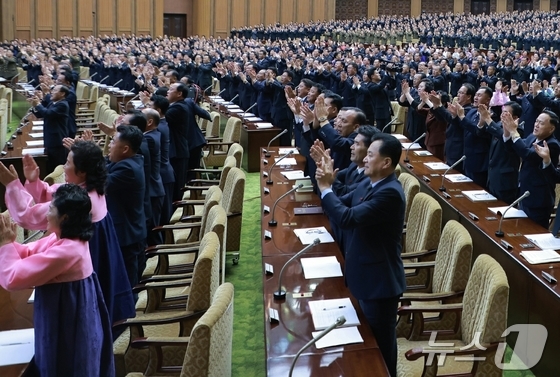
The Workers’ Party’s official newspaper, Rodong Sinmun, reported on Monday that the 13th session of the 14th Supreme People’s Assembly was held over two days from September 20 to 21.
The newspaper explained that the Intellectual Property Law aims to strengthen the national guidance system for intellectual property affairs and enhance protection measures to foster continuous growth and active utilization of creative intellectual efforts.
During the meeting, speakers emphasized that bolstering intellectual property protection would encourage broader participation in technological development and innovation among the working class. They noted that this system would provide tangible benefits to those who contribute to social progress through their knowledge and skills, including scientists and technologists. The goal is to spark a nationwide wave of new technology and product development, ultimately boosting productivity.
Given North Korea’s socialist system, which has traditionally defined all intellectual property as state-owned and prohibited private ownership, this new law appears to signal a shift. It suggests an intent to clarify concepts of copyright and intellectual property, potentially ensuring appropriate compensation for cultural artists and scientists who contribute to the state.
The newspaper reported that the Grain Management Law was adopted to improve grain management, directly impacting the people’s diet. This measure underscores the regime’s focus on ensuring a stable food supply and managing public sentiment.
According to the report, the draft of the Grain Management Law specifically regulates various aspects related to the purchase, storage, processing, supply, sale, and consumption of grain. The legislation aims to legally establish a comprehensive and integrated grain management system.
North Korea plans to implement the Local Development 20×10 Policy starting in 2024. Since August of last year, the country has begun constructing grain management facilities in various regions. The Purchasing and Grain Management department, previously thought to have been absorbed by other agencies, appears to have been revived around 2023 and restructured as the Ministry of Grain Management earlier this year. This indicates a growing internal emphasis on thorough grain management over the next two to three years.
The meeting also addressed the inspection and supervision system for urban management law enforcement. Discussions likely covered the construction of new housing and the operation of local factories across different regions.
Attendees, including speakers and discussants, pointed out that urban management efforts have not kept pace with the grand transformations reshaping both the capital and regional areas. They noted the need to align urban and rural development with the standards of advanced nations. In response, Delegate Pak Thae-song (Prime Minister) presented countermeasures, though specific details were not disclosed to the public.