

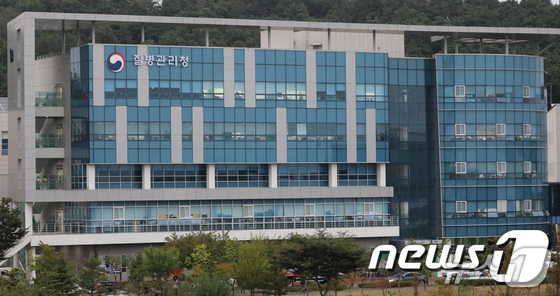
The Korea Disease Control and Prevention Agency (KDCA) announced on Wednesday that all institutions inspected, including those that handle high-risk pathogens and operate biosafety level 3 (BSL-3) research facilities, fully complied with biosafety management standards.
This comprehensive inspection, conducted from April to December last year, covered 69 institutions possessing high-risk pathogens such as anthrax and plague bacteria, as well as 38 BSL-3 research facilities. The evaluation encompassed 47 items for high-risk pathogen facilities, including pathogen inventory and biosafety and security management. At BSL-3 facilities, 29 items were assessed, focusing on the functionality of biosafety equipment and the emergency response system.
The on-site inspections of high-risk pathogen institutions and BSL-3 research facilities confirmed 100% compliance with biosafety management standards. These checks included thorough reviews of pathogen-use records, physical security measures such as CCTV systems, and biosafety equipment management.
For BSL-3 research facilities, inspectors paid particular attention to maintaining negative pressure in laboratory areas – a critical safety feature – and evaluated the effectiveness of sterilization equipment for proper waste disposal. These rigorous measures are designed to prevent any potential release of high-risk pathogens into the community and protect researchers from infection.
Building on these inspection results, the KDCA plans to further strengthen its proactive management approach and enhance support for biosafety training. These efforts aim to foster a robust culture of biosafety across Korea’s biotech research and industry sectors.