

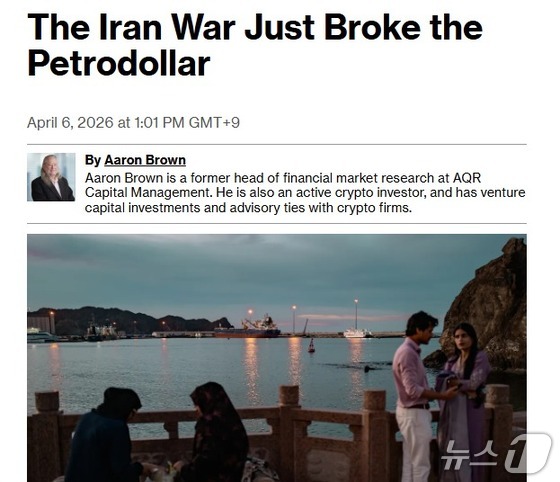
Bloomberg reported on Monday that President Donald Trump’s military action against Iran has significantly undermined USD supremacy, leading to the collapse of the petrodollar system that has been in place since the 1970s.
Iran is now considering charging a 1 USD per barrel toll on oil tankers passing through the Strait of Hormuz, with payments accepted in yuan or cryptocurrency.
While this move isn’t a major threat to the petrodollar system – after all, how much can Iran really collect from these tolls? – it’s symbolic of a larger shift.
The critical issue is the collapse of the petrodollar system itself, a cornerstone of global order since the 1970s.
Traditionally, Arab oil producers conducted transactions in dollars and invested their earnings in U.S. bonds. This massive influx of investment allowed the dollar to maintain its status as the world’s reserve currency, even in the face of staggering U.S. deficits.
In exchange, the U.S. guaranteed the security of pro-American Middle Eastern oil nations.
Henry Kissinger, often called the diplomat of the 20th century, was the architect of this system.
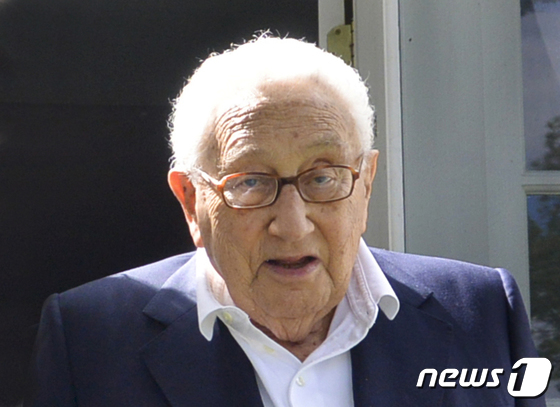
In 1974, Kissinger flew to the Middle East to broker deals ensuring oil-producing countries would sell oil in dollars and invest the proceeds in U.S. Treasury bonds.
This created a cycle where oil consumers paid in USD, which flowed through Riyadh and Abu Dhabi before returning to Washington.
The current conflict has disrupted this cycle. Iran’s attacks on oil facilities in pro-American Arab nations sent shockwaves through oil-producing countries.
These attacks have already significantly reduced dollar revenues for these nations. In March, Gulf countries, including Kuwait, Iraq, Saudi Arabia, and the United Arab Emirates (UAE), slashed production by at least 10 million barrels per day.
While Saudi Arabia and the UAE can export through alternative pipelines, this capacity is only a quarter of what the Strait of Hormuz typically handles.
In response to the attacks, the UAE has prioritized bolstering its air defenses, including importing the South Korean missile interception system, Cheongung.
As a result, oil-producing nations have dramatically cut back on U.S. bond purchases. Since the U.S. strike on Iran on February 28, foreign central banks have been net sellers of U.S. Treasury bonds for five consecutive weeks.
The New York Federal Reserve’s assets have shrunk by about 82 billion USD to 2.7 trillion USD, the lowest level since 2012.
It’s not just oil producers – countries like Turkey, India, and Thailand are also selling off U.S. bonds.
With oil prices soaring past 100 USD per barrel and their currencies weakening against the dollar, these nations’ central banks have been forced to intervene in forex markets. Such interventions require capital, which they’re raising by selling U.S. Treasuries.
Kissinger’s 1974 agreement had weathered the Cold War, the Gulf War, financial crises, and even the COVID-19 pandemic. Now, it appears to have crumbled.
Bloomberg emphasized that Trump’s military action against Iran has effectively dismantled the petrodollar system, a pillar of global order since the 1970s, with far-reaching consequences.