

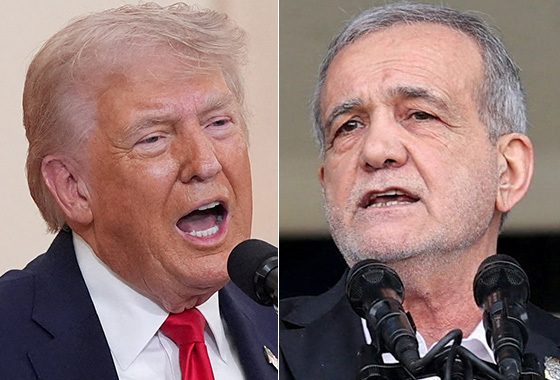
The Ministry of Foreign Affairs welcomed the U.S.-Iran ceasefire agreement Wednesday, saying it opens the door for ships to move freely through the Strait of Hormuz again. The ministry also praised the mediation efforts of Pakistan and other involved countries.
“We hope negotiations between the two sides reach a conclusion and that peace and stability return to the Middle East as soon as possible,” a ministry spokesperson said.
The ministry added that it expects all vessels, including its own, to pass through the strait safely and without delay. Officials said they will continue working with relevant countries to make that happen.
The ceasefire was reached Tuesday, the 39th day of the conflict. Under the agreement, Iran would reopen the Strait of Hormuz for two weeks while the U.S. halts its strikes on Iranian targets.
Iran, however, says any ship movement through the strait must remain under its authority — signaling that a full reopening hinges on how follow-up talks between the two sides unfold.