

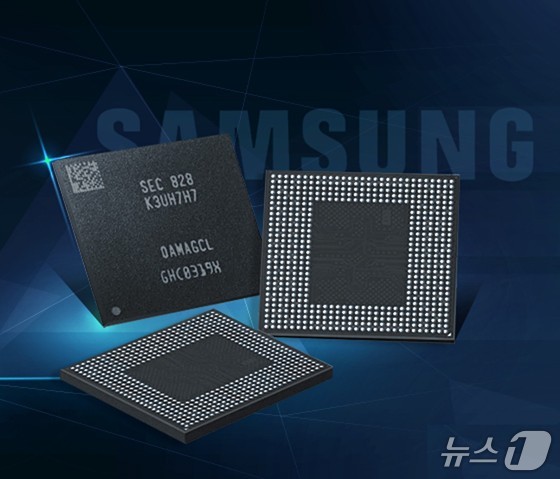
On August 29, 1994, thunderous applause erupted from Samsung Electronics’ research center in Giheung, Gyeonggi Province. This momentous day marked Samsung’s official announcement of its groundbreaking achievement: the world’s first 256-megabit dynamic random access memory (DRAM). It was a watershed moment for South Korea, transforming the nation from a technology-dependent country into a global leader in memory semiconductor innovation.
At the time, Japan held an iron grip on the global semiconductor market. Industry giants like Toshiba, Hitachi, and NEC dominated the landscape, seemingly untouchable. But when South Korea leapfrogged the competition, first with the 64-megabit DRAM and then the 256-megabit DRAM, it sent shockwaves through the industry, radically altering the global semiconductor playing field.
The 256-megabit DRAM was a marvel of modern engineering, capable of storing the text of 2,000 newspapers or data from 200 books on a chip no larger than a fingernail. Using a groundbreaking 0.25-micrometer process – a mere quarter of a micron, or about 1/400th the width of a human hair – researchers shattered technical barriers, ushering in a new era of multimedia capabilities and personal computing.
This technological triumph was born from the blood, sweat, and tears of dedicated researchers. They practically lived in the lab, catching quick naps on makeshift beds while working around the clock to perfect the manufacturing process. The breakthrough was the culmination of bold, preemptive investments made in the face of staggering losses and widespread skepticism following the 1983 Tokyo Declaration. It was a testament to the unwavering resolve of Samsung’s leadership and the tireless efforts of its engineers.
This achievement catapulted South Korea’s tech industry from a fast follower to a first mover, leading the charge in the global market. It shattered the technological stronghold of the U.S. and Japan, shifting the center of memory chip innovation to South Korea. This moment planted the flag for South Korea’s dominance in memory semiconductors – a reign that would last for over three decades.
The legacy of that 256-megabit DRAM developed in Giheung lives on in today’s cutting-edge technologies. It laid the foundation for high-bandwidth memory (HBM) and advanced semiconductors that now power the artificial intelligence (AI) revolution. That audacious gamble taken over 30 years ago – turning the impossible into reality – continues to serve as a beacon of inspiration in today’s fiercely competitive landscape of technological supremacy.