

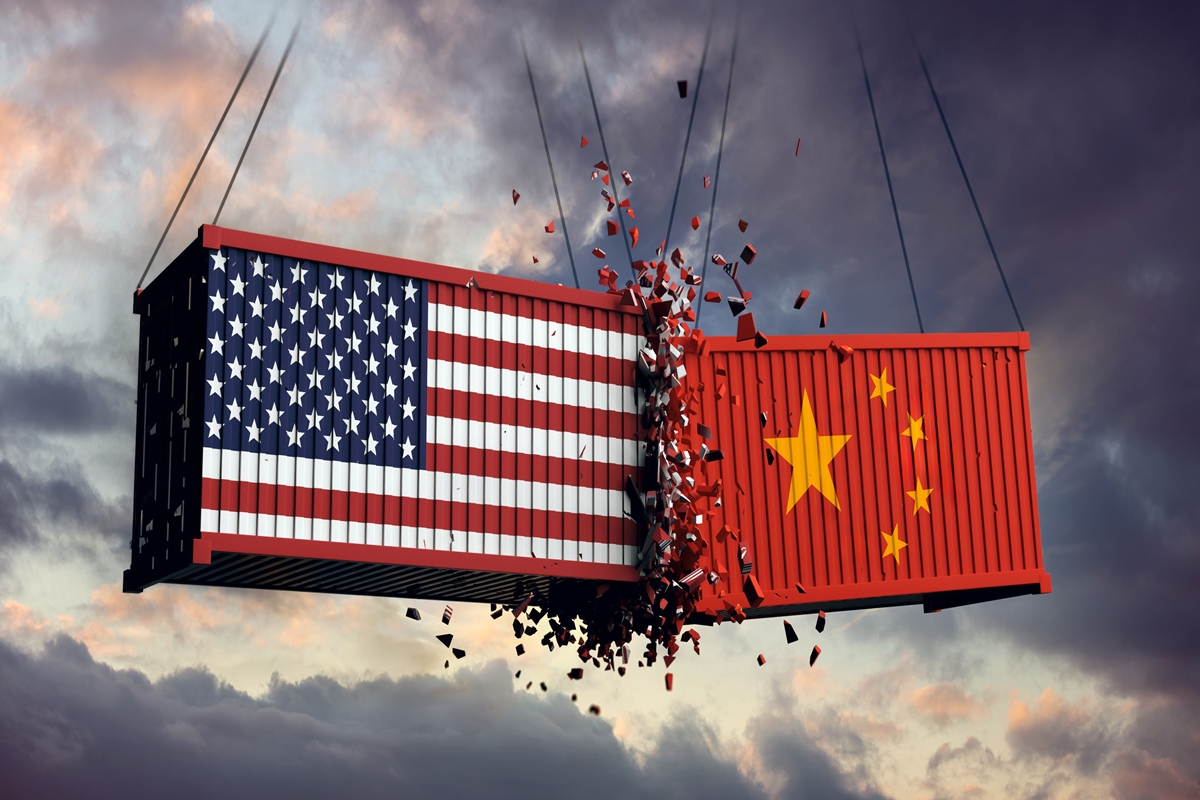
U.S.-China trade tensions have significantly eased following a mutual agreement to slash tariffs by 115% points across the board.
On Monday, Bloomberg reported that China made minimal concessions during the negotiations, suggesting that U.S. President Donald Trump ultimately yielded to President Xi Jinping’s unwavering stance.
Both nations agreed to reduce tariffs by 115% points. Currently, U.S. tariffs on Chinese goods stand at 145%, while China’s tariffs on U.S. goods are at 125%. This reduction will bring U.S. tariffs on China down to 30%, and China’s tariffs on the U.S. to 10%.
China demonstrated its commitment to addressing the fentanyl issue by sending its Minister of Public Security to the talks in Geneva, Switzerland. During these discussions, both countries agreed to implement proactive measures to curb the flow of fentanyl.
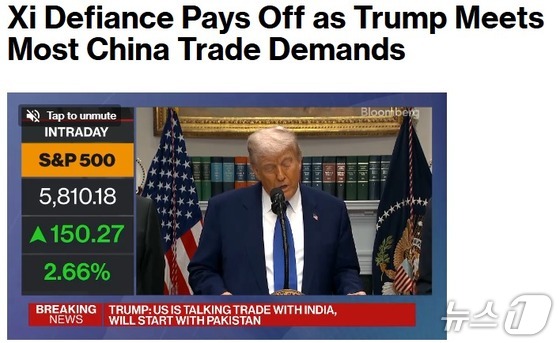
Fentanyl-related tariffs currently stand at 20%. If these are also eliminated, U.S. tariffs on China could potentially drop to 10%, matching the level applied to America’s closest ally, the United Kingdom, according to Bloomberg.
Trey McArver, co-founder of the research firm Trivium China, stated that this is the best possible outcome for China, and the U.S. has effectively conceded. He added that this result would likely bolster China’s confidence in future negotiations.
This outcome was largely anticipated. Since Trump began imposing tariffs at their highest levels in a century, Xi has maintained a defiant posture. Unlike other world leaders, he consistently rebuffed President Trump’s requests for phone conversations.
Instead, Xi opted to lower interest rates, secure new export markets for Chinese products, and launch a global charm offensive by dispatching diplomats worldwide to counter U.S. influence.
Despite China beginning to feel economic pressure, with factory activity slowing, Xi refused to yield to U.S. demands, instead rallying domestic support through nationalist rhetoric.
In contrast, Trump faced mounting pressure from his inner circle and the business community to lower tariffs as the U.S. stock market tumbled. A sharp market decline could significantly impact Trump’s chances in next year’s midterm elections, ultimately forcing his hand.
In the wake of the U.S.-China trade war ceasefire agreement, Trump expressed his intention to speak with President Xi as soon as this weekend. However, Bloomberg reports that Xi has yet to respond to these overtures.