

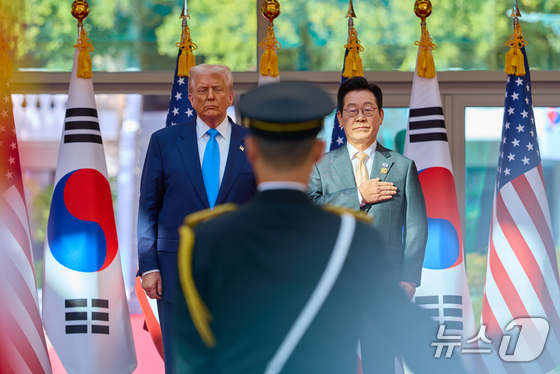
The U.S.-Korea summit held in Gyeongju last month yielded significant achievements, including resolving the impasse over the tariff and investment package and approving the construction of nuclear-powered submarines. However, experts caution that President Donald Trump’s unpredictable behavior could potentially complicate matters.
In a report titled “The Gyeongju APEC Summit and Korea’s Challenges,” Lee Sang Hyun, a senior researcher at the Sejong Institute, identified the U.S. approval of South Korea’s long-sought nuclear submarine construction as the most noteworthy development.
Lee cautioned that Trump’s erratic, unpredictable negotiating style could lead to new tensions between the two countries over how to implement these agreements.
He emphasized the need for careful, systematic coordination between the two nations, noting uncertainties about whether the submarines approved by President Trump will be built in South Korea or at a foreign shipyard, and about how enriched uranium fuel will be managed.
Lee also stressed the importance of determining whether securing nuclear fuel can be accomplished within the existing U.S.-Korea Nuclear Cooperation Agreement or if a new legal framework, such as a separate treaty or protocol, is necessary.
He explained that processes involving nuclear materials and related technologies may require review and approval from various administrative departments and Congress. Lee added that it will be crucial to observe the extent of operational discretion granted to South Korea in this process.
Lee concluded that the remaining issues regarding tariffs and trade must be resolved quickly and efficiently to address key bilateral tasks, such as alliance modernization. He stressed that accurately documenting agreements between the two governments will be essential to prevent future misunderstandings.