

In the appeal of the so-called Lawsuit for the Return of Free Aid under the Korea-Japan Agreement, family members of Asia-Pacific War victims have once again lost their case.
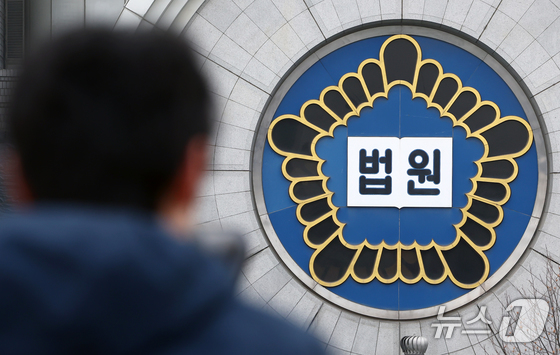
On Thursday, the Seoul High Court’s Civil Division 6-1, presided over by Chief Judge Park Hae-bin and Judges Kwon Soon-min and Lee Kyung-hoon, ruled against the plaintiffs in a lawsuit seeking 300 million KRW (approximately 208,000 USD) in damages from the state. The plaintiffs included Kim Jong-dae, representing families of military conscription victims abroad, Kim Jeong-im, representing families of military conscription victims in Guinea, and Sun Tae-soo, representing surviving naval civilian employees.
The court stated that it is difficult to find any illegality in the first-instance ruling, and consequently dismissed all appeals from the plaintiffs.
However, the court acknowledged the tragic historical reality of the Korean people’s suffering under illegal colonial rule, noting that the plaintiffs continue to experience significant distress due to Japan’s evasion of responsibility.
The court further explained that according to the interpretation of the Korea-Japan Claims Agreement, achieving the level of compensation sought by the plaintiffs through judicial processes that pursue state liability for illegal acts is challenging. Instead, the issue should be addressed through legislative action in the National Assembly when a national consensus is formed and budgetary provisions are secured.
The court urged that regardless of the lawsuit’s outcome, the defendant should recognize the suffering and sacrifices of victims and their families, who were forcibly mobilized through inhumane illegal acts and denied their dignity and value as human beings. It encourages efforts to build national consensus on expanding the scope and targets of additional compensation and support.
Previously, victim organizations, including the Korean Association of Families of Victims of the Asia-Pacific War, filed a lawsuit in 2014 demanding the government return 300 million USD in free aid used from the claims fund against Japan. They based their argument on a 2001 Tokyo District Court ruling, which stated that the South Korean government, not the Japanese government, should be responsible for compensating victims, as it received 300 million USD in free aid under the 1965 Korea-Japan Claims Agreement.