

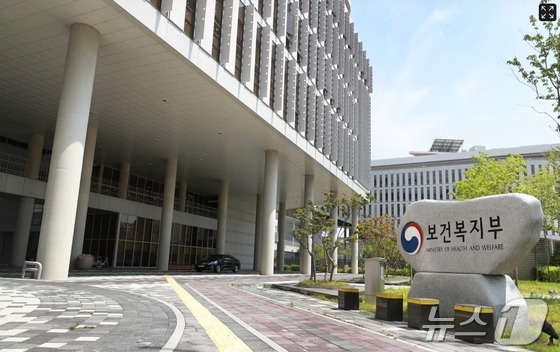
The Ministry of Health and Welfare announced on Tuesday that it is launching a comprehensive AI Transformation Project for Chronic Disease Patients across the entire healthcare spectrum.
This initiative, with a budget of 90 billion KRW (about 59.7 million USD), aims to integrate artificial intelligence (AI) from everyday health management to specialized care in top hospitals.
The ministry plans to financially support five AI-driven projects: Promoting health behavior changes in chronic disease patients, Enhancing primary care services, Facilitating inter-hospital coordination using electronic medical records (EMR), Implementing cross-institutional medical imaging (PACS) integration, and Piloting remote collaborative care models.
For the first project, the ministry will select two operators, each receiving 1.5 billion KRW (about 995,000 USD), to develop AI systems that analyze personal health data and provide tailored health recommendations.
The primary care improvement project will showcase AI-powered automatic consultation transcription and imaging assistance tools.
In the EMR-based care coordination project, AI will summarize patient information to streamline referrals between local and regional hospitals for severe chronic cases.
The PACS integration initiative will demonstrate AI’s capability to detect lesions in medical images and summarize findings when transferring patients between facilities.
Lastly, the remote collaboration model will test AI’s ability to facilitate effective communication between local healthcare providers and remote specialists, aiming to enhance clinical outcomes and efficiency.
Applications for participating organizations open on Wednesday (April 1) through the Korea Health Industry Development Institute’s website. Selected entities will commence work in May.
A project briefing for interested companies, local governments, and medical institutions is scheduled for April 9.
Kim Hyun-sook, Advanced Medical Support Officer, revealed plans to establish a public healthcare AI highway in the latter half of the year, enabling regional and local medical centers to jointly leverage medical AI. She also announced that a comprehensive Basic Healthcare AI Strategy encompassing these initiatives will be unveiled in the first half of this year.