

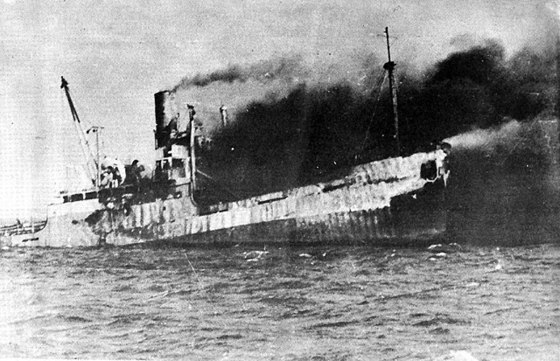
On April 17, 1961, the Central Intelligence Agency (CIA)-led Bay of Pigs invasion unfolded in Cuba. This failed operation stands as a stark reminder of U.S. foreign policy missteps during the Cold War era, resulting in a humiliating defeat and nearly pushing the world to the brink of nuclear conflict.
In response to Fidel Castro’s successful overthrow of the pro-American regime in Cuba, both the Eisenhower and Kennedy administrations plotted to remove him from power. The CIA trained a force of approximately 1,400 Cuban exiles, dubbed Brigade 2506, and deployed them to southern Cuba’s Bay of Pigs.
U.S. strategists had a simplistic view of the situation. They anticipated that the invasion force would trigger a popular uprising against Castro’s government, leading to its collapse.
This assumption proved to be a critical miscalculation. Castro’s military swiftly crushed the invasion force within 72 hours. President Kennedy, wary of exposing direct U.S. involvement, withdrew promised air support, leaving the invaders isolated and vulnerable. The operation ended in disaster, with over 100 casualties and more than 1,100 captured.
The fallout from this debacle was far-reaching. The Kennedy administration’s credibility took a severe hit on the international stage. Conversely, Castro leveraged the failed invasion to consolidate his power and formally declare Cuba a socialist state. Fearing further U.S. aggression, Cuba strengthened its ties with the Soviet Union, setting the stage for the Cuban Missile Crisis of 1962 – a confrontation that brought the world perilously close to nuclear war.
The Bay of Pigs fiasco serves as a cautionary tale about the dangers of intelligence agency confirmation bias and the underestimation of nationalist sentiment in foreign countries. In its attempt to oust Castro, the U.S. inadvertently elevated him to heroic status and fueled anti-American sentiment across Latin America. To this day, the invasion remains a textbook example of U.S. foreign policy failure.