

Do North Koreans use smartphones? What services can residents access on their devices in a society known for its strict control over individuals?
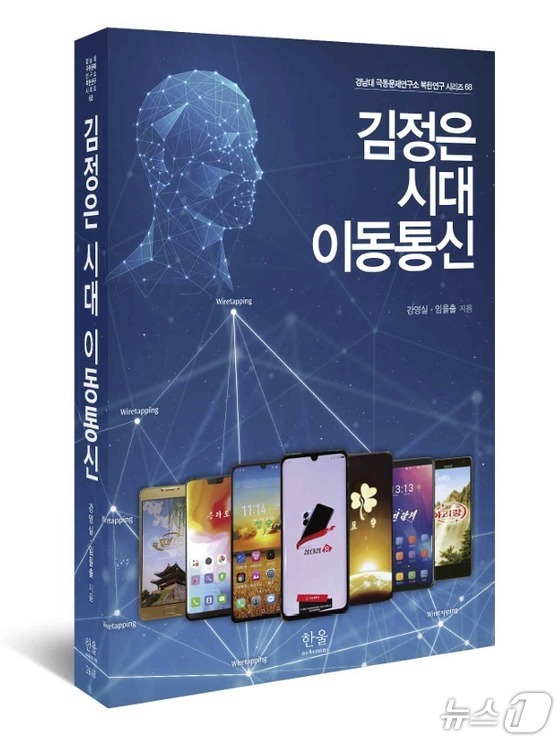
A new book has emerged to answer these intriguing questions. Mobile Communications in the Kim Jong Un Era, the 68th volume in the North Korea Research Series by Kyungnam University’s Institute for Far Eastern Studies, offers a comprehensive analysis of North Korea’s mobile technology landscape and smartphone usage patterns.
North Korea’s mobile communications sector has long been shrouded in secrecy. With limited access to internal data and on-site verification challenges for outside researchers, the authors took an innovative approach. They interviewed over 500 North Korean defectors and examined more than 30 North Korean mobile devices to overcome these obstacles.
The book reveals that the Kim regime views information and communication technology as more than just a technological advancement; it’s seen as a crucial tool for building a socialist civilized state. Pyongyang is investing heavily in next-generation communication networks, including 4G infrastructure, as part of its push towards a digital economy.
Interestingly, North Korea’s digital strategy serves a dual purpose. While aiming to modernize the economy, it also seeks to enhance state control over its citizens. The book delves into this unique approach, exploring how technological progress and social control are being pursued simultaneously.
The regime’s artificial intelligence (AI) initiatives are particularly noteworthy. Recent efforts to integrate AI into government administration and research institutions have led to its application in various fields, including video surveillance, traffic management, and forest fire monitoring.
The book also sheds light on how ordinary North Koreans use mobile phones. It details the circulation of devices, popular apps, and usage costs. Some citizens acquire market cell phones through unofficial channels, while others use modified foreign smartphones adapted to work on North Korean networks.
Surprisingly, there are accounts of limited numbers of foreign smartphones, such as Samsung Galaxy devices and iPhones, finding their way into the country.
While acknowledging North Korea’s efforts to expand its digital infrastructure and economy, the authors also highlight the significant challenges the country faces. These include international sanctions, a shortage of advanced equipment, and technical limitations that hinder progress.
Mobile Communications in the Kim Jong Un Era, goes beyond a mere technical analysis of North Korea’s mobile phone technology. It offers a multifaceted exploration of the regime’s vision for a digital society and how technological advancements are reshaping both citizen’s lives and state governance. This book is a must-read for anyone seeking to understand the complexities of modern North Korea and its potential future trajectory.