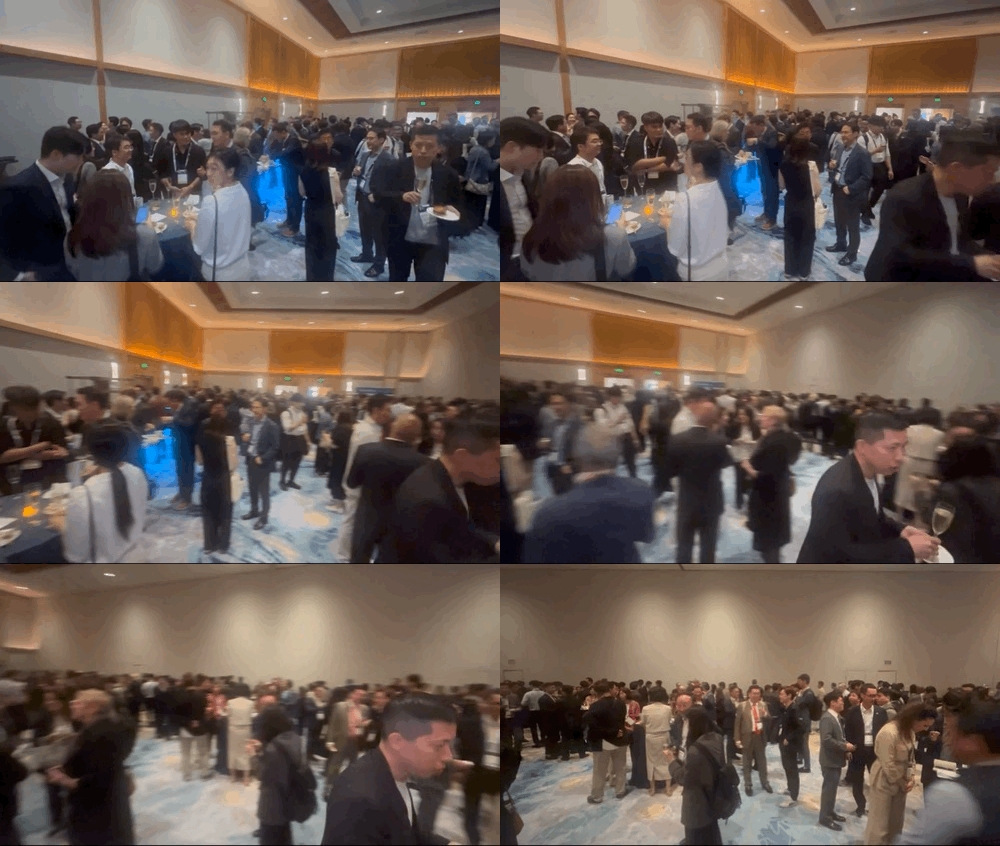
The world’s largest biotechnology event, the BIO International Convention 2026 (BIO USA), concluded on June 25, wrapping up its annual gathering in San Diego. This year, artificial intelligence (AI) emerged as a defining theme. At the same time, clear shifts in global biotech strategies were visible, driven by the U.S. push to restructure supply chains away from China and the evolving responses from global life sciences companies. Korean companies also strengthened their presence with advanced technologies. However, the event also underscored a key reality: in the global biotech race, innovation alone is not enough—capital and investment remain decisive. The dominant keyword throughout BIO USA this year was AI. From drug candidate discovery to clinical trial design, patient recruitment, data analytics, and manufacturing, AI-integrated applications were showcased across the exhibition floor. What once served as a competitive advantage is now considered a baseline capability. The differentiating factor has shifted to how effectively AI is deployed.
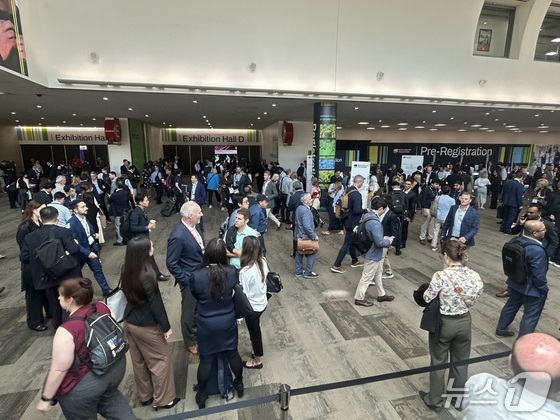
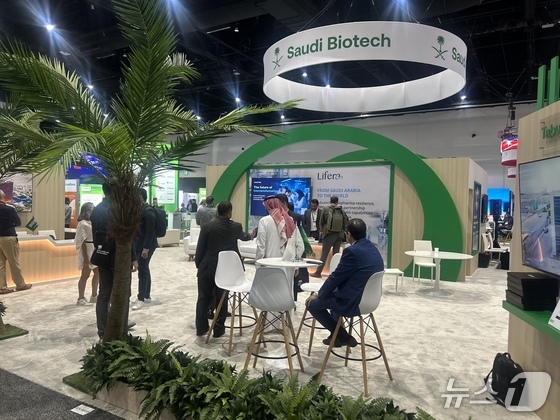
Korean companies actively highlighted AI-driven platforms, but global peers are also deeply equipped with similar capabilities, intensifying the need for further technological advancement. Galux CEO Seok Chaok remarked, “Drug development is no longer about discussing potential; it is now a stage where technologies are being actively validated.” Another key theme was supply chain restructuring. As the U.S. continues its de-China strategy, efforts to reduce dependence on China in active pharmaceutical ingredients (APIs), CDMO, and clinical trial services are accelerating. As a result, Chinese participation in this year’s event was significantly limited. Instead, countries such as South Korea, Japan, and Saudi Arabia were increasingly discussed as alternative supply chain hubs.
Korean firms focused heavily on global partner discovery during the event. Companies including ABL Bio, GI Innovation, and Onconic Therapeutics engaged global pharmaceutical companies using differentiated technologies such as antibody-drug conjugates, bispecific antibodies, blood-brain barrier platforms, and cell and gene therapies. Discussions extended beyond licensing into co-development, investment, and global clinical collaboration. SK Biopharmaceuticals also announced a collaboration agreement with AI-based drug discovery company Insilico Medicine for neuroimmune disease treatment development during the event. The deal is reported to be worth billions of dollars. Samsung Biologics, which hosted an independent booth for the 14th consecutive year at BIO USA, promoted its integrated CRDMO model. Celltrion also set up a booth in the AI Zone, highlighting its expansion strategy and AI-driven drug development initiatives.
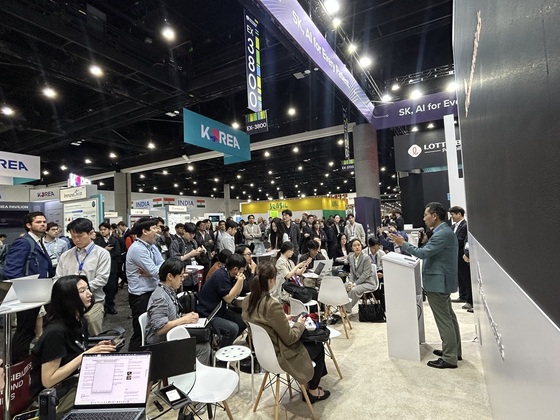
Despite these advancements, structural limitations in Korea’s biotech ecosystem were also highlighted. The key issue remains capital. Experts noted that Korea must move beyond simple technology licensing toward global competitiveness through post-proof-of-concept development, large-scale partnerships, and mergers and acquisitions. ABL Bio CEO Sang-Hoon Lee stated during the “Korea Rising: Don’t Miss the Next Hub of Asian Innovation” session that while Korea has strong early-stage innovation, it lacks the financial capacity seen in China. “This is the most critical limitation,” he said. He added that the industry must move beyond licensing deals toward co-development and full-scale global commercialization. Korea Biotechnology Industry Organization Vice President Ju-ri Hwang also noted that Korean biotech firms are quick to identify market shifts and niche opportunities, but investment inflows remain insufficient.
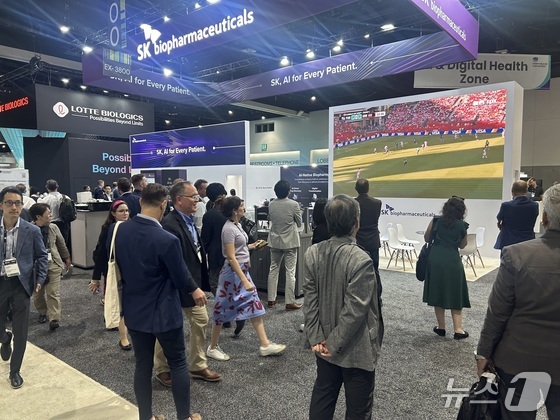
This year’s BIO USA also coincided with global football season, adding a different atmosphere to the event. Some booths, including SK Biopharmaceuticals and the Brazil Pavilion, broadcast live football matches on large screens. Attendees naturally gathered, pausing conversations to watch, sparking spontaneous interactions among participants from different countries. One attendee noted that the industry is increasingly shifting toward informal relationship-building environments that naturally lead to follow-up collaborations beyond formal meetings.