


“With cancer, pain is inevitable. I worry that if I start using painkillers now, I’ll run out of options later.”
On July 19, pain management specialists reported frequently hearing such concerns from cancer patients in their clinics. However, cancer-related pain isn’t a necessary evil of treatment. Instead, it’s a crucial aspect that requires active management. Proper pain control is essential not just for comfort, but to enable patients to continue treatment and maintain their quality of life.
Enduring Pain Isn’t Virtuous – Ignoring It Creates a Vicious Cycle
Cancer diagnoses in Korea continue to rise. With increasing life expectancy, it’s estimated that more than one in three Koreans will face cancer in their lifetime. Fortunately, treatment outcomes have improved significantly, leading to a surge in cancer survivors. However, many patients still grapple with pain. Moreover, the misconception that pain is an inevitable part of cancer persists.
Cancer-related pain encompasses a wide range of discomfort experienced by patients. This includes pain from tumors pressing on nerves or tissues, bone metastasis pain and fractures, post-treatment pain from chemotherapy, radiation, or surgery, musculoskeletal issues from extended bed rest, exacerbated disc problems, pain from infections due to weakened immunity, and discomfort amplified by depression or anxiety. Even after cancer treatment, persistent pain requires ongoing management.
Dr. Kim Han-garam, Professor of Anesthesiology at Seoul Metropolitan Government-Seoul National University Boramae Medical Center, explains that cancer pain is multifaceted. It stems from the disease itself, treatment side effects, and physical and emotional changes. She adds that when cancer invades nerves directly, it causes neuropathic pain. Bone metastases can cause deep, constant pain. Even cancer treatments can damage healthy cells, leading to peripheral nerve pain.
Dr. Kim notes that patients describe their pain in vivid terms – like wearing thick gloves, walking on sharp rocks, or a constant burning sensation. Pain isn’t just physical. Lack of sleep, depression, anxiety, and stress can amplify pain perception. While some might view stoically enduring pain as admirable, it often leads to a detrimental cycle.
For instance, pain disrupts sleep, leading to fatigue. It can suppress appetite and energy levels, potentially compromising treatment efficacy. It may elevate blood pressure, weaken the immune system, and cause hormonal imbalances. This often results in depression and social withdrawal. Therefore, pain management isn’t just about comfort – it’s a critical component of comprehensive cancer care.
Psychological Support and Patient Education Are Crucial
Patients often ask, “Should I save stronger pain medications for later?” In reality, early and aggressive pain management often reduces the need for higher doses later. Prolonged, unmanaged pain can sensitize nerves, potentially leading to chronic pain syndromes. While some worry about addiction, the risk of opioid dependence in cancer patients is very low when medications are used under medical supervision.
Dr. Park Sung-wook, Professor of Anesthesiology at Kyung Hee University Hospital, emphasizes that pain management must be tailored to each patient, considering their overall health and potential side effects. He advocates for a multidisciplinary approach combining personalized medication plans, interventional pain procedures, radiation therapy when appropriate, and psychosocial support. Dr. Park stresses the importance of educating patients and caregivers about pain management strategies.
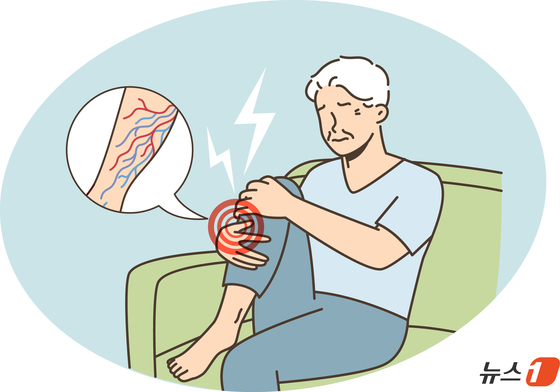
Realistic goals for pain management include ensuring patients can sleep through the night, remain comfortable at rest, and perform light daily activities without pain. The foundation of effective treatment is clear communication. Patients should describe when their pain started, its location, intensity (using a numeric scale), quality, and factors that worsen or alleviate it. Any new pain should be reported to the medical team immediately.
Pain management goes beyond prescribing a single medication. It often involves a combination of approaches tailored to the specific causes and patterns of pain. This may include various medications, nerve blocks, radiofrequency ablation, or spinal cord stimulation. Different strategies are needed for constant background pain, breakthrough pain, and activity-related discomfort.
Dr. Park advises that when higher doses of pain medication are necessary, it often prefers single-agent opioids over combination products. If pain persists despite dose increases, or if side effects become problematic, it reassesses the approach. He adds that this may lead to changing medications, adding adjuvant therapies, or considering interventional pain procedures. These interventional treatments are most effective when combined with appropriate medications.
As cancer treatments become more prolonged, effective pain management becomes increasingly crucial. When pain is well-controlled, patients often experience improved sleep, better appetite, and increased resilience to continue their treatments. Healthcare providers unanimously emphasize: Pain isn’t something you should suffer through alone. It’s an integral part of your care that it manages together. They encourage patients to openly discuss their pain, assuring them that the medical team is committed to finding solutions.