
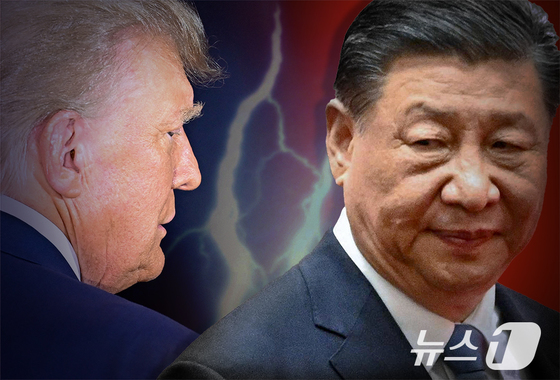
The U.S. Congress is reviving the Biosecure Act, which aims to ban transactions with Chinese biotech firms. Analysts suggest that if this legislation passes, it could create opportunities for domestic companies.
According to biotech industry sources on Tuesday, Senators Bill Hagerty (Republican Party) and Gary Peters (Democratic Party) submitted an amendment to the National Defense Authorization Act on July 31, local time, which incorporates provisions from the Biosecure Act.
The Biosecure Act would prohibit the U.S. government from contracting with or providing grants to biotech companies deemed security risks. This legislation is closely aligned with the ongoing U.S.-China competition for biotech supremacy.
The act targets numerous Chinese clinical research organizations (CROs), contract development and manufacturing organizations (CDMOs), and genomics firms. Specifically, it includes CDMO companies such as WuXi AppTec and WuXi Biologics, as well as genomics firms like BGI Genomics and its spin-off, MGI Tech.
Chinese companies are under scrutiny because of Beijing’s data collection demands and collaborations between Chinese businesses and the People’s Liberation Army, actions the U.S. government views as potential espionage.
This bill was initially proposed during the Joe Biden administration but failed to pass a Senate vote last December due to concerns over the unclear process for designating the five target companies and the lack of provisions for removing such designations.
However, the revised bill addresses these issues. Companies designated as security risks will now be notified and provided with the reasons for their designation, within the confines of national security and law enforcement interests. The Senate is expected to review the bill as early as next month.
Observers note that support for the Biosecure Act has grown, particularly in light of escalating U.S.-China trade tensions following the implementation of tariff policies during the Trump administration.
Targeted Companies Lobby Intensively; Domestic Firms May Benefit
If passed, the bill would prevent U.S. government agencies from procuring biotech equipment or services from designated companies. It would also prohibit new contracts or renewals with these firms, significantly tightening regulations on Chinese biotech companies.
In response, Chinese companies are ramping up their lobbying efforts. WuXi AppTec has heavily invested in lobbying since the second quarter of last year, employing both external firms and its own subsidiaries.
WuXi Biologics has also begun direct lobbying through its U.S. subsidiary.
A representative from Korea Biotechnology Industry Organization stated that the formal push to enact the Biosecure Act targeting Chinese biotech firms has officially resumed. Further adding that it anticipates fierce opposition and renewed lobbying efforts from these companies.
Under former President Donald Trump’s policies, the U.S. is accelerating measures on drug tariffs and price reductions. The potential enactment of the Biosecure Act could further reshape the global pharmaceutical supply chain and competitive landscape.
Many industry experts believe that restrictions on Chinese companies could create opportunities for South Korean firms. Samsung Biologics could potentially fill the void left by WuXi Biologics, while other companies specializing in CDMO operations, such as Celltrion and ST PHARM, are also expected to benefit.
An industry insider remarked that the Biosecure Act could provide advantages for domestic companies in the contract development (CDO) sector. Further adding that with increasing competition from India, Japan, and Europe, the firms must focus on enhancing their competitiveness.


