

The U.S. Department of Commerce has announced changes to its Section 232 tariff system covering steel, aluminum, and copper derivatives, effective on April 6. The central change replaces the previous method of calculating tariffs based on the metal content of a product with a flat rate applied to the full customs value of the goods.
Under the revised system, finished products with low metal content — such as cosmetics, chemicals, food items, and lighting fixtures — will be exempt from Section 232 tariffs. Large household appliances with higher metal content, including refrigerators, washing machines, and dryers, will face a 25% tariff. Products containing less than 15% steel, aluminum, or copper by weight will also be exempt, even if they fall under a tariffed category.
Key export items such as ultra-high voltage transformers and certain machine tools will benefit from a reduced 15% tariff rate through Dec. 31, 2027. Automotive parts already subject to Section 232 tariffs are not expected to be affected by the changes. Some products that previously faced tariffs above 30% will now fall under a uniform 25% rate, offering modest relief.
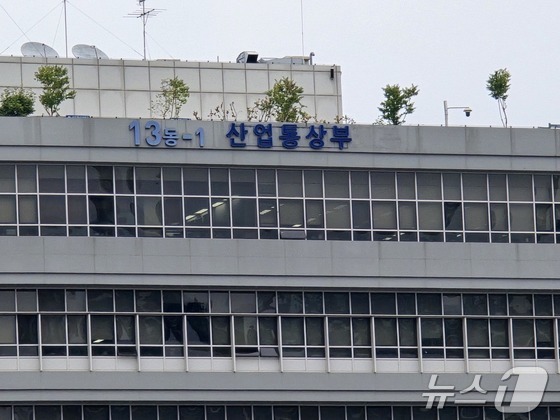
The revised system is expected to reduce the number of items subject to Section 232 tariffs on steel and aluminum by roughly 17%, representing approximately $2.3 billion in trade. The simplified calculation method is expected to ease administrative burdens, particularly for smaller businesses. A Trade Negotiation Bureau official noted that while some products will face higher burdens under the new structure, others stand to benefit, making a uniform assessment of the overall impact difficult.