The first peace talks between the U.S. and Iran broke down due to disagreements over nuclear issues, causing global oil prices to surge and setting off alarms in the refining industry.
As the gap between international and domestic oil product prices widens in South Korea, refiners are bracing for even greater losses. With fears of a prolonged conflict growing, analysts predict that the industry’s profitability will inevitably decline starting in the second quarter of this year.
Fears of a Prolonged War Spell Trouble For Refiners’ Bottom Line
According to foreign media reports and industry sources on Monday, following the collapse of U.S.-Iran negotiations, the U.S. Navy will begin blockading all Iranian ports at 11:00 p.m. that evening.
Oil prices are skyrocketing. As of 6:20 p.m. on April 12, West Texas Intermediate (WTI) crude futures surged 8% to 104.40 USD per barrel. Brent crude futures also jumped over 7%, trading at 102.51 USD per barrel. Tensions have escalated since the ceasefire, stoking fears of a protracted Middle East conflict.
Rising oil prices and ongoing supply uncertainties have put the refining industry on high alert. As raw material costs continue to climb, the financial burden on refiners is mounting, making a decline in profitability seem inevitable.
Typically, when oil prices rise, refiners benefit from higher refining margins. Since the outbreak of the Middle East conflict, these margins have reached record highs.
However, the government’s price cap on oil products has prevented refiners from fully capitalizing on these margins.
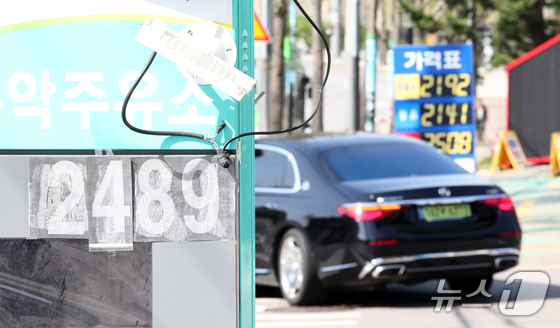
On April 9, the government maintained the third price cap for domestic oil products at the previous level. Refinery supply prices are set to remain at 1,934 KRW (about 1.31 USD) per liter for gasoline, 1,923 KRW (about 1.30 USD ) for diesel, and 1,530 KRW (about 1.03 USD) for kerosene for over a week.
Industry insiders believe that without government price controls, actual market prices, including fuel taxes, would have exceeded 3,000 KRW (about 2 USD) per liter. Currently, refiners are absorbing the difference between international oil prices and gas station prices.
In response, the government has begun efforts to compensate refiners for their losses, but the extent of this compensation remains unclear. The requirement for refiners to prove their losses directly adds to the pressure. There are also concerns about public perception if refiners appear to profit during a crisis.
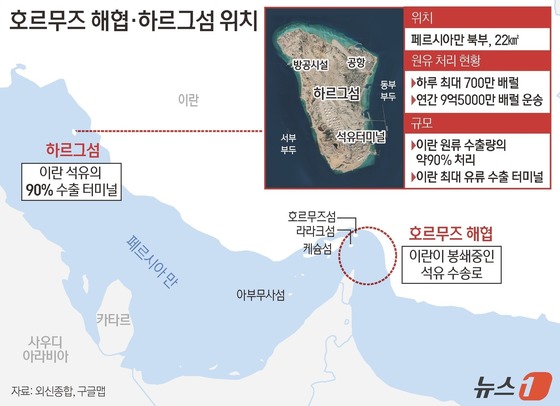
Opening the Strait of Hormuz is Crucial, but Challenges Lie Ahead Even After the War
The refining industry is pinning its hopes on the reopening of the Strait of Hormuz. An industry insider stated that for refiners, reopening the Strait of Hormuz is crucial. Even during the two-week ceasefire, it was difficult for Middle Eastern crude to reach us through the Strait. Now that negotiations have collapsed, they’re facing an ongoing emergency.
Even after the Middle East conflict ends, the refining industry is expected to face ongoing challenges. Once shipping through the Strait of Hormuz normalizes post-ceasefire, refining margins will stabilize and inventory effects will dissipate.
The domestic refining industry imports all its crude oil and exports refined products, with most profits coming from overseas sales. However, the high costs of crude purchased during the conflict will lead to increased production costs, ultimately impacting profitability.
The government’s decision to limit refiners’ export volumes to last year’s levels also works against them. Last year, the export share of refining sales among the four major refiners was: GS Caltex 71%, HD Hyundai Oilbank 67%, S-Oil 54%, and SK Energy 51%.
While the refining industry expects slightly improved performance in the first quarter due to higher margins, they remain cautious. Another industry insider explained that once the war ends, profits for that quarter are likely to plummet. Even if it made significant gains in March, it will be offset by future losses.
The government has prepared a supplementary budget of 26.8 trillion KRW (about 18.1 billion USD) to support businesses affected by the Middle East crisis. This includes 4.2 trillion KRW (about 2.85 billion USD) to support the oil price cap in response to the energy supply crisis.