Global financial markets returned to risk-off mode after hotter-than-expected U.S. inflation data intensified concerns over prolonged high interest rates and renewed inflationary pressure.
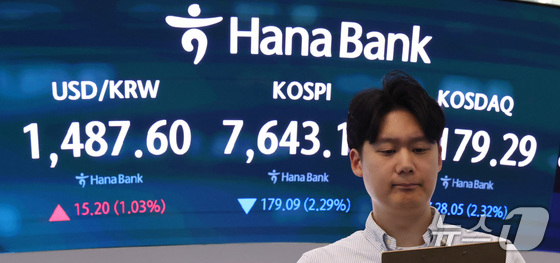
The Korean won weakened sharply against the U.S. dollar on May 13, with the dollar-won exchange rate opening at 1,493.8 won, up about $0.003 from the previous daytime session close, according to the Seoul foreign exchange market.
Overnight, investor sentiment deteriorated after U.S. inflation data exceeded market expectations. According to the U.S. Department of Labor, the April consumer price index rose 3.8% from a year earlier, marking the highest annual increase since May 2023.
Core CPI, which excludes volatile food and energy prices, also came in above expectations with a 2.8% year-over-year increase.
Surging oil prices added to inflation concerns. Crude prices climbed back above $100 per barrel amid growing fears of supply disruptions as negotiations between the United States and Iran remained deadlocked.
Markets are increasingly worried that higher energy prices could spill over into service-sector inflation and housing costs.
Rising inflation expectations also pushed U.S. Treasury yields higher. The benchmark 10-year Treasury yield climbed above 4.5%, while expectations for Federal Reserve rate cuts this year have largely disappeared.
According to the CME FedWatch Tool, markets are now pricing in roughly a 30% chance of an additional rate hike within the year.
The prospect of prolonged elevated rates and higher oil prices strengthened the U.S. dollar broadly. The U.S. Dollar Index, which tracks the dollar against six major currencies, rose to 98.298. The euro weakened against the dollar, while the dollar-yen exchange rate climbed into the 157-yen range.
Min Kyung-won, an economist at Woori Bank, said stronger U.S. inflation data and rising oil prices tied to stalled U.S.-Iran negotiations were fueling dollar demand.
“Foreign investors’ net selling of Korean equities and importer demand for dollars are also adding upward pressure on the exchange rate,” Min said.
Lee Min-hyuk, an economist at KB Kookmin Bank, said renewed inflation fears and high oil prices were strengthening risk-averse sentiment.
“However, expectations surrounding the continued artificial intelligence investment cycle, exporter dollar selling and possible foreign exchange intervention are limiting further upside in the exchange rate,” Lee said.