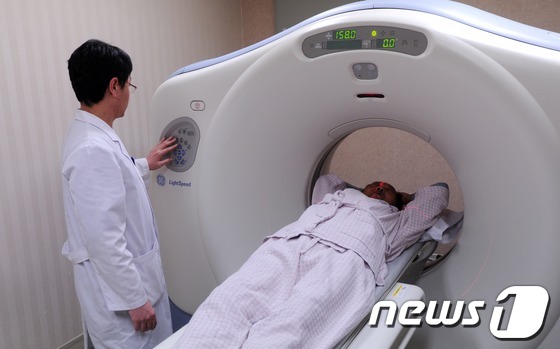
Stem cell therapies are widely regarded as one of the most promising technologies in regenerative medicine, and their use in clinical practice is expanding rapidly in South Korea. Once largely confined to research on rare diseases, stem cell-based treatments are now being offered for a broad range of conditions, including skin rejuvenation, joint disorders, hair loss, and anti-aging therapies.
However, most patients encounter stem cell treatments not through government-approved drugs but through elective procedures offered by hospitals outside the national health insurance system. As a result, some experts warn that market growth is outpacing the accumulation of clinical evidence and the development of appropriate regulatory oversight.
Rather than characterizing the domestic stem cell market as inherently illegal, specialists say it should be viewed as a transitional system in which research, clinical practice, and commercialization operate under different regulatory frameworks.
According to the medical community, stem cell-based procedures have expanded rapidly in recent years, particularly in orthopedic surgery, pain medicine, plastic surgery, and dermatology. They are increasingly used to treat knee osteoarthritis, cartilage injuries, chronic pain, and skin regeneration, among other conditions.
Most of these procedures are not covered by South Korea’s national health insurance program, leaving treatment decisions to patients and physicians. As a result, eligibility criteria, treatment methods, and pricing vary widely among hospitals.
Treatment costs typically range from several thousand U.S. dollars to tens of thousands of dollars per procedure, with prices largely determined by individual medical providers because no standardized pricing system exists.
Only a limited number of stem cell therapies have received approval from South Korea’s Ministry of Food and Drug Safety, including Cartistem, developed by Medipost. By contrast, many hospitals provide treatments using patients’ own adipose-derived or bone marrow-derived cells.
According to the Ministry of Health and Welfare, as of the end of June there were 223 authorized regenerative medicine institutions nationwide, while only 65 advanced regenerative medicine clinical research projects had received official approval.
Although many therapies are broadly marketed as stem cell treatments, experts note that the level of scientific evidence varies substantially depending on the medical condition. Some indications have demonstrated safety and efficacy through clinical trials, while others still lack sufficient evidence.
Park So-ra, president of the Foundation for Advanced Regenerative Medicine, said stem cell therapies should not be viewed as a single category because the quality of clinical evidence differs across indications.
She added that the current market reflects both growing patient demand and rapid advances in research and development, arguing that policymakers should focus on building systems that continuously generate objective clinical data rather than simply restricting the technology.
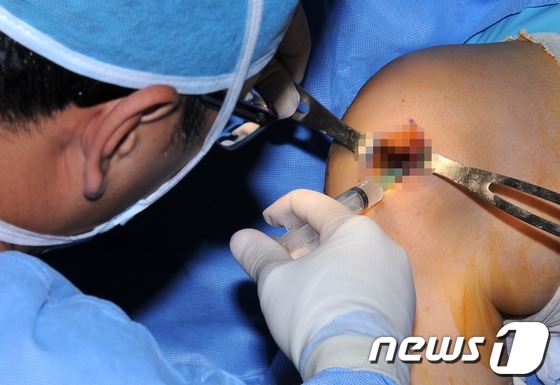
A Multibillion-Dollar Cash-Pay Market Leaves Patients Facing Difficult Choices
South Korea’s Advanced Regenerative Medicine and Advanced Biopharmaceuticals Act, which took effect in 2020, established a legal framework for conducting high-risk regenerative medicine research under government oversight.
However, most cash-pay stem cell procedures currently offered in hospitals operate outside that clinical research framework.
As a result, researchers face strict regulatory requirements while hospitals continue to expand elective stem cell treatments under a separate system, creating what experts describe as a dual-track structure in which clinical services have grown faster than approved therapies.
For patients, distinguishing between treatments supported by robust clinical evidence and those with more limited scientific validation can be challenging.
Hospital websites and online advertisements frequently highlight successful treatment outcomes, even though many procedures have yet to be validated through large-scale clinical trials.
Still, experts caution against viewing the industry solely in negative terms. Regenerative medicine is expected to play an increasingly important role as populations age, and South Korea is widely regarded as having world-class research capabilities in the field.
They argue that the priority should be building systems that systematically collect clinical evidence and verify treatment outcomes rather than slowing innovation.
Park said long-term follow-up is essential for stem cell therapies and called for institutional mechanisms that better connect clinical research with routine medical practice.
She also advocated creating a national data platform that would register patients and track treatment outcomes, saying such a system would strengthen both patient safety and the industry’s long-term competitiveness.
Ultimately, experts say the sustainability of South Korea’s regenerative medicine industry will depend on bringing the hospital-driven market under a stronger regulatory framework while continuing to build high-quality clinical evidence.
Another medical expert cautioned against portraying stem cell therapies as a cure-all, emphasizing that healthcare providers have a responsibility to clearly distinguish between treatments whose effectiveness has been established and those that remain under investigation.