
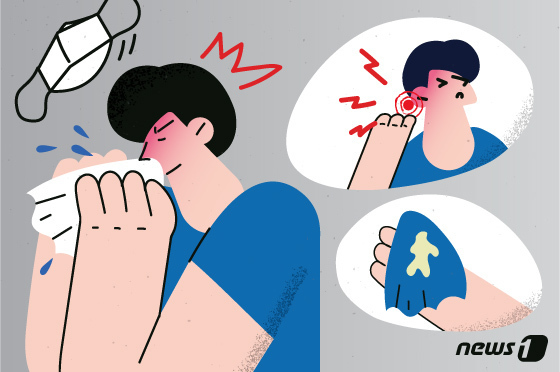
As COVID-19 shows signs of a potential resurgence, the summer heat has led to increased air conditioning use, resulting in a rise in cases of heat-related illnesses. Experts caution that the symptoms of these two conditions can be easily confused.
The Korea Disease Control and Prevention Agency reported on Monday that air conditioning sickness encompasses various physical symptoms such as chills, headaches, and fatigue that occur after prolonged exposure to air conditioning. These symptoms are similar to the early signs of COVID-19 and the common cold, making it challenging to distinguish between them. If you experience cold-like symptoms after spending a prolonged time in an air-conditioned environment, it’s advisable to warm up and get plenty of rest.
Dr. Eom Joong Sik from the Division of Infectious Diseases at Gachon University Gil Medical Center advised that air conditioning sickness primarily involves fatigue and muscle pain after exposure to air conditioning, with minimal to no fever. The fever pattern, changes in smell, and symptom onset are crucial for differentiating between conditions.
However, if a fever persists above 37.5°C (99.5°F) or if you experience coughing or muscle pain, it’s recommended to seek medical attention for testing, considering the possibility of COVID-19 or Legionella infection. Dr. Eom explained that COVID-19 is characterized by high fever, dry cough, and loss of smell and taste, with pronounced systemic symptoms. In contrast, the common cold typically presents with a runny nose, sore throat, and mild fever, and usually begins to improve within 48 hours.
COVID-19 has shown signs of resurgence this summer. During the week of May 25-31, 105 COVID-19 patients were hospitalized across 221 medical institutions nationwide in South Korea, maintaining a level around 100 over the past month. The virus detection rate has remained steady at around 8% for three consecutive weeks. While virus concentrations in building-level wastewater surveillance remain low, they’ve shown a gradual increase since late May.
Dr. Eom noted that the currently circulating NB.1.8.1 variant, an Omicron subvariant, is known for causing pronounced sore throats and high transmissibility; however, vaccines remain effective in preventing hospitalization and severe illness. He advised high-risk individuals who test positive with a home test kit to seek prompt medical attention for treatment.
Personal hygiene measures to prevent COVID-19 remain crucial. Seniors, pregnant women, and those with underlying health conditions should wear masks in crowded places. To avoid air conditioning sickness, maintain indoor temperatures between 25°C and 26°C (77°F and 79°F) and clean AC filters biweekly, drying them in sunlight for proper hygiene.
The Korea Disease Control and Prevention Agency is offering COVID-19 vaccinations for unvaccinated high-risk groups, including seniors 65 and older, immunocompromised individuals, and residents of high-risk facilities, until June 30. To streamline the process and reduce confusion caused by repeated vaccination attempts, vaccination sites will be consolidated at health centers starting June 16.
The government is reviewing hospital bed capacity and treatment supply systems in preparation for a potential summer COVID-19 surge. They’re considering reactivating partner hospitals and implementing measures to reduce emergency room overcrowding. Currently, stocks of treatments and self-test kits are deemed stable. The South Korean Ministry of Health and Welfare and the Ministry of Food and Drug Safety continue to monitor the need for expanded distribution and import of treatments.


