

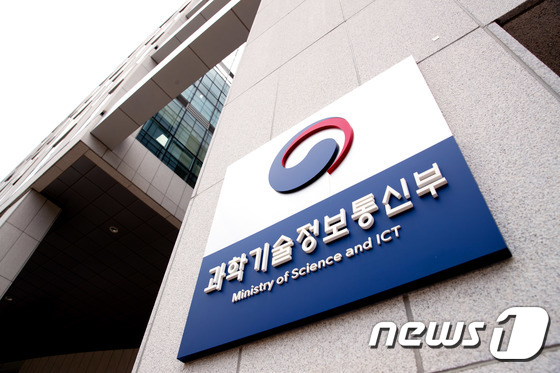
The South Korean government is ramping up efforts to develop specialized artificial intelligence (AI) models for the healthcare and biotech industries. On Tuesday, the Ministry of Science and Information and Communcations Technology (ICT), the National Information Technology (IT) Industry Promotion Agency (NIPA), and the Telecommunications Technology Association (TTA) announced that a consortium led by Lunit and the Korea Advanced Institute of Science and Technology (KAIST) has successfully passed the midterm evaluation for the AI Specialized Foundation Model project.
This initiative aims to bolster domestic AI competitiveness and expand the ecosystem by creating specialized AI models alongside general-purpose AI foundation models. The Lunit-KAIST consortium, selected in late October last year, has been working on development for approximately ten months, from November 1, 2022, to September 9, 2023.
Lunit’s team is pioneering the world’s first AI model specializing in the complete medical science lifecycle, while KAIST’s group is focused on developing a protein complex structure prediction model that surpasses Google’s AlphaFold 3 in both speed and accuracy. To support these ambitious projects, the Department of Science and Technology has equipped each consortium with 256 NVIDIA B200 graphic processing units (GPUs).
The interim evaluation revealed that both consortia have achieved performance levels on par with or exceeding those of leading global models.
Lunit’s 16B-level model, using the Mixture of Experts (MOE) approach, has shown exceptional results in medical literature-based Q&A accuracy, consistency of AI responses with source material, and the ability to leverage scientific data for coding and analysis. It outperformed larger models like Anthropic’s Claude 3.5 Sonnet, which falls in the 100 billion to 1 trillion parameter range.
KAIST’s 2B-level Bio Foundation Model (K-Fold) has nearly matched Google’s AlphaFold 3 in accurately predicting three dimensional (3D) structures of molecular complexes, including protein-protein interactions, small molecules, and nucleic acid complexes. Remarkably, it can predict protein and complex structures up to 30 times faster than its competitors.
In light of these promising results, the Department of Science and Technology will continue to provide GPU support to both consortia. The developed models are slated for open-source release in early April.
Lunit’s model is scheduled for real-world testing at nine hospitals around July, with the goal of creating a service model that can be implemented in hospitals, pharmaceutical companies, and public sector organizations.
KAIST plans to launch beta services for the National Institutes of Health and other institutions in July, focusing on verifying stability in practical applications. They also aim to host a K-Fold Utilization Strategy Seminar in October or November to promote wider adoption of the technology.