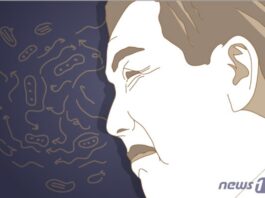
Breathing is such a fundamental act that we often overlook its significance. Yet, the lungs are far more than just air intake organs. They play a crucial role in supplying oxygen to our bodies, expelling carbon dioxide, and filtering out harmful bacteria and dust particles. In essence, they are the cornerstone of our survival.
When lung issues arise, shortness of breath is typically the first red flag. If this symptom is accompanied by coughing or phlegm production, it’s crucial to consider the possibility of a respiratory condition rather than dismissing it as a simple cold. The prevalence of respiratory diseases continues to climb, driven by factors such as air pollution, an aging population, and tobacco use.
Dr. Lee Eun-ju, spokesperson for The Korean Academy of Tuberculosis and Respiratory Diseases and professor at Korea University Anam Hospital, emphasized in a recent interview with News1 on Wednesday that breathlessness isn’t something to be ignored. If you’re experiencing difficulty breathing, it could be your lungs’ final cry for help. Even without knowing the exact cause, it should be treated as a potential emergency.
While the lungs may not speak, they certainly send clear signals when something’s amiss, Dr. Lee added.
According to medical experts, respiratory diseases generally fall into three main categories: airway constriction disorders, lung tissue hardening conditions, and infectious diseases. All of these can start subtly but may become life-threatening if left unchecked.
Airway constriction disorders include asthma and Chronic Obstructive Pulmonary Disease (COPD). Asthma is characterized by chronic airway narrowing due to allergic inflammation, leading to recurrent bouts of coughing, wheezing, breathlessness, and chest tightness. The airways become hypersensitive and prone to swelling when irritated.
COPD results from long-term exposure to harmful particles like tobacco smoke and air pollution. It causes abnormal lung inflammation, narrowing airways, and destroying air sacs, ultimately leading to breathing difficulties. It’s the third leading cause of death worldwide and one of five key diseases identified by the World Health Organization (WHO) as requiring urgent attention.
COPD is a sneaky condition that’s often misdiagnosed, Dr. Lee explained. People might chalk it up to aging, decreased fitness, or smoker’s cough, missing crucial treatment windows. It’s a progressive disease that can land patients in intensive care if left untreated.
Lung tissue hardening conditions include Interstitial Lung Disease (ILD). This group of disorders causes inflammation and scarring in the tissue surrounding the air sacs, leading to lung stiffness. Symptoms typically include a persistent dry cough and gradually worsening shortness of breath. Cases are on the rise, likely due to our aging population and environmental factors.
Of the 200-plus types of interstitial lung diseases, pulmonary fibrosis is the most common, Dr. Lee noted. Dr. Lee noted that if you find yourself short of breath with minimal exertion, don’t write it off as being out of shape. Seek medical attention promptly. Delayed diagnosis can significantly complicate treatment and worsen outcomes.
Infectious respiratory diseases encompass pneumonia, tuberculosis, and bronchitis. Pneumonia inflames the air sacs due to bacterial or viral infections. Tuberculosis, caused by the tuberculosis bacterium, typically presents with a persistent cough lasting over two weeks, phlegm production, and unexplained weight loss.
Dr. Lee identified lung cancer as the most alarming respiratory threat. Noting that it’s often symptomless in early stages, making detection challenging. Given its position as the leading cause of cancer deaths in the country, regular screenings are crucial. This applies not just to smokers, but also to non-smokers with prolonged exposure to secondhand smoke or air pollution, or those with a family history.
She urged that while the lungs work silently, they do send distress signals. If you experience a cough lasting more than a couple of weeks, struggle to breathe during everyday activities, cough up blood-tinged phlegm, or lose weight inexplicably, seek medical attention immediately.
Nationwide Health Screenings to Include Lung Function Tests for Ages 56 and 66 from This Year… Positive Impact Anticipated
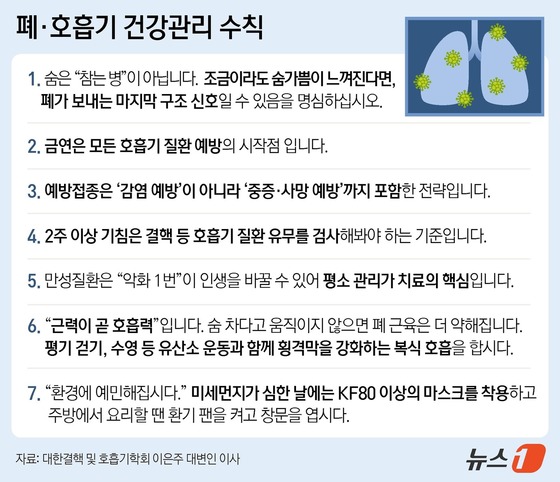
The medical community consistently emphasizes key health guidelines for respiratory wellness. Topping the list is smoking cessation. For those struggling to quit, medical interventions are strongly recommended. Quitting smoking is fundamental in preventing all types of respiratory diseases.

Early screening is the next priority. High-risk individuals, such as long-term heavy smokers, should undergo low-dose computed tomogrpahy (CT) scans biennially. The recent inclusion of lung function tests in the national health screening program for 56 and 66-year-olds is a significant step forward in preventive care.
Dr. Lee highlighted the cost-effectiveness of these measures: Diagnosing and treating COPD through routine lung function tests not only reduces per-patient medical costs but also addresses the broader societal impact, estimated at over 1 trillion KRW (about 663 million USD) annually. These screenings will also aid in earlier detection and management of other conditions like asthma and interstitial lung diseases.
Vaccination against respiratory infections is another crucial strategy endorsed by medical experts. It’s seen as vital not just for preventing infections, but also for mitigating severity and mortality when infections do occur. Additionally, any cough persisting beyond two weeks warrants medical evaluation to rule out serious conditions like tuberculosis.
Dr. Lee stressed the importance of ongoing management for chronic respiratory conditions: Diseases like COPD, asthma, and pulmonary fibrosis can be life-altering with just one severe flare-up. Consistent care is key. While breathlessness might tempt you to avoid activity, this can further weaken lung muscles. Regular aerobic exercise and diaphragmatic breathing exercises are essential. Remember, overall muscle strength directly impacts breathing capacity.
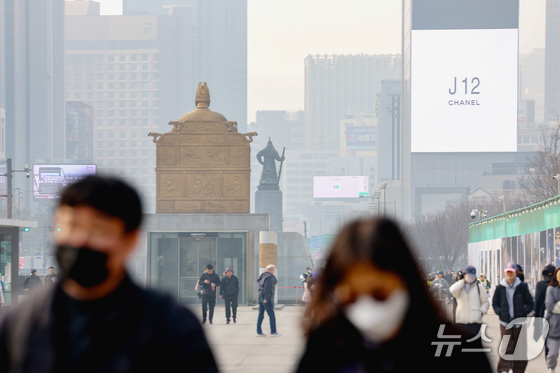
In conclusion, she advised that on high pollution days, always wear a high-quality mask (KF80 or better). Don’t underestimate indoor air quality either – use exhaust fans and open windows when cooking. Staying vigilant about air quality, both outdoors and at home, is crucial for lung health.