“This is an extremely dangerous condition that can lead to death within a very short time frame, leaving no room for intervention.”
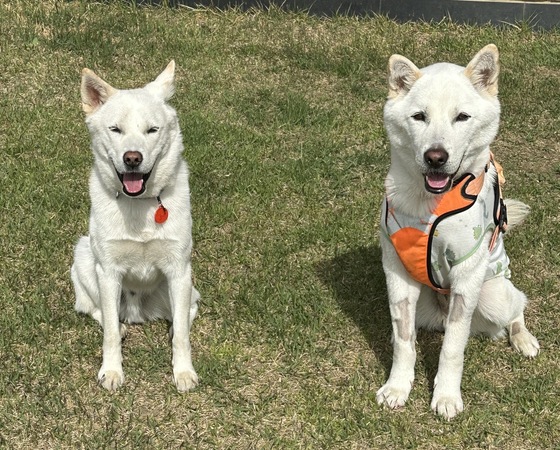
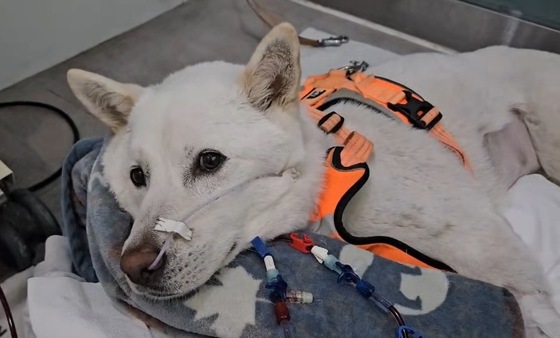
A four-year-old Jindo dog named Taengi, diagnosed with systemic fungal infection, also suffered from acute kidney injury, necessitating both dialysis and artificial ureter surgery. With few treatment cases worldwide and typically poor responses, even medical professionals found it difficult to be optimistic. Despite these challenges, the owner and medical team refused to give up. Now, nearly two months later, Taengi’s condition has significantly stabilized, a stark contrast to the initial days when the focus was solely on day-to-day survival.
According to the Signature Animal Medical Center (led by Director Lee Tae-ho), Taengi was admitted in mid-March after being diagnosed with acute kidney injury (AKI) at another veterinary clinic. Despite receiving fluid therapy at the previous clinic, his kidney values continued to rise. The concerned owner, upon hearing that dialysis was necessary, personally sought out the Signature Animal Medical Center.
The initial examination revealed not only elevated kidney values but also enlarged lymph nodes and mediastinal areas surrounding the heart. Fungal hyphae were detected in the lymph node tests. Subsequent examinations of pleural fluid and urine also confirmed the presence of hyphae, strongly indicating a systemic fungal infection.
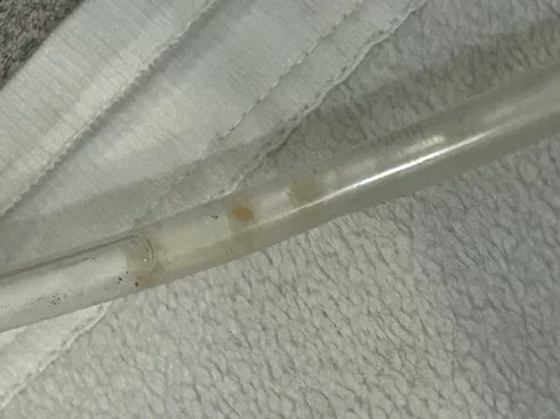
The Signature Animal Medical Center explains that systemic fungal infections are vastly different from common skin fungal diseases. In this condition, fungi deeply invade the body, spreading to lymph nodes, the thoracic cavity, and various organs, causing severe inflammation and organ damage. In Taengi’s case, this had also led to deteriorating kidney function.
Dr. Park Soo-min, who oversaw the treatment, stated that this is an extremely rare case, with only one previous report in the country. The condition is known for poor treatment responses and carries a high risk of rapid deterioration or death due to complications within a short period.
Immediate dialysis crucial… Emergency treatment begins
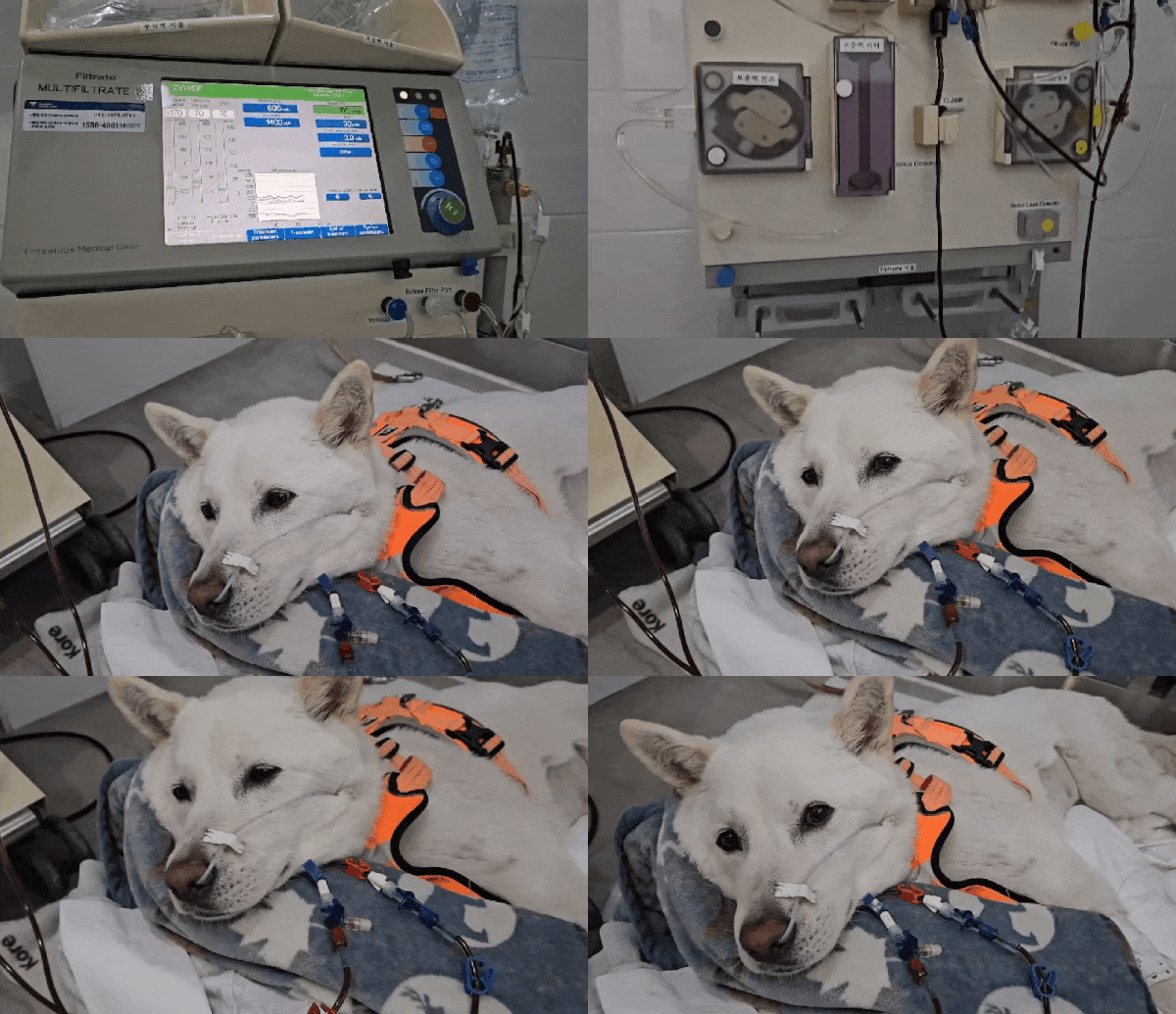
Taengi underwent dialysis on the day of admission. The medical team identified restoring kidney function as the most urgent priority.
Dr. Park explained that the acute kidney injury itself was life-threatening. With each passing moment, the chances of recovery diminished, making it crucial to initiate dialysis as quickly as possible.
Fortunately, after the second dialysis session, Taengi’s urine output increased and his kidney values began to stabilize gradually. However, the treatment journey was far from smooth.
Towards the end of March, a fungal mass obstructed the ureter, complicating urine output and causing kidney values to worsen again. Despite attempts at additional dialysis and medical interventions, there was no improvement. Eventually, after consulting with the owner, the team decided to proceed with a Subcutaneous Ureteral Bypass (SUB) surgery.
The Signature Animal Medical Center explains that SUB creates an artificial bypass to facilitate urine drainage. They determined that temporary ureteral dilation would not effectively prevent recurrent obstructions caused by the fungus.
Dr. Park elaborated that treating fungal infections is a long-term battle, and the likelihood of recurrence was high. It concluded that active surgical intervention was necessary.
Hoping for each additional day… Treatment journey from Paju to Seoul
Even post-surgery, vigilance was crucial as the SUB port continued to face fungal blockages. At times, it would block more than twice in a single day, requiring constant management.
Taengi’s care transitioned from inpatient treatment to day hospital visits. Since April 7, his owner has been making daily trips from Paju to Seoul for his treatment.
During the day, Taengi receives antifungal and anticoagulant treatments along with various injections at the hospital, spending nights with his owner. Despite the challenging daily commute, the owner has never missed a day of treatment.
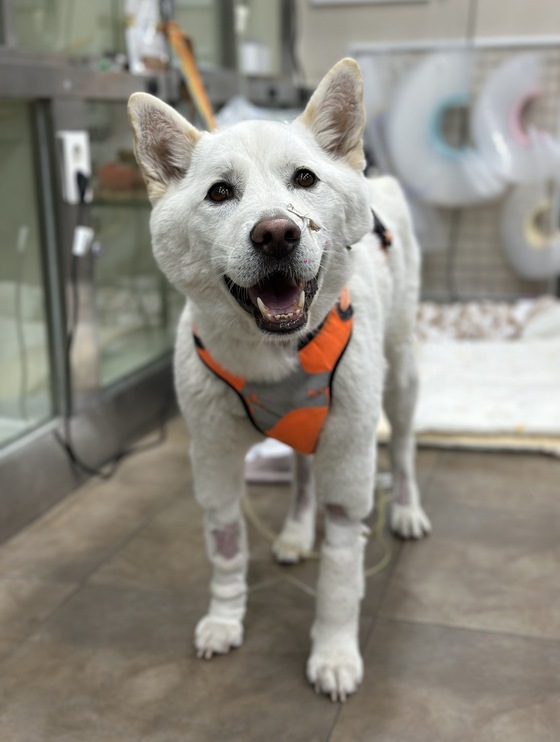
Owner Jang Min-ji shared that after multiple rounds of dialysis, hearing that the ureter was blocked left me feeling utterly hopeless. The SUB surgery itself carried risks, and knowing it could block again made me hesitate. But seeing Taengi’s will to fight, it couldn’t bring myself to give up.
She added that the doctors consistently explored new approaches and thoroughly explained every possible option. Despite many moments of anxiety and fear, their collaborative approach in considering the next steps allowed me to trust in the treatment process.
Owner’s swift decisions altered the prognosis
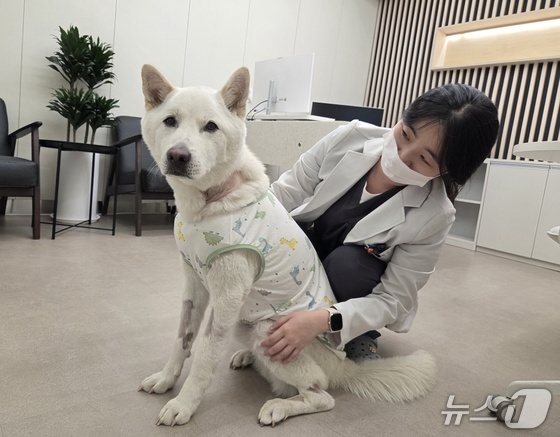
Systemic fungal infections typically show poor responses to antifungal medications and require extended treatment periods. The challenge lies in patients often deteriorating rapidly before long-term treatment effects can be achieved.
The Signature Animal Medical Center continues to provide long-term care using antifungal medications not typically available at standard veterinary clinics. The medical team views Taengi’s ongoing stability and treatment progress as a significant accomplishment.
Dr. Park noted that fortunately, the antifungal medication posaconazole has shown promising results, and Taengi is now stabilizing with just weekly outpatient treatments. Initially, the goal was simply day-to-day survival, but now they’ve reached a point where we can cautiously look towards the future.
He continued that systemic fungal infections often have very poor short-term prognoses, making it difficult to sustain with standard treatments alone. In Taengi’s case, our ability to actively apply high-risk, high-cost invasive treatments like chest tube placement, dialysis, and SUB surgery was possible because the owner made swift decisions after understanding our explanations. This allowed to capitalize on the critical treatment window.
He concluded that this case has reaffirmed the crucial importance of open communication and collaboration between the owner and the medical team throughout the treatment process. Such trust and cooperation can sometimes lead to outcomes that defy established prognoses.