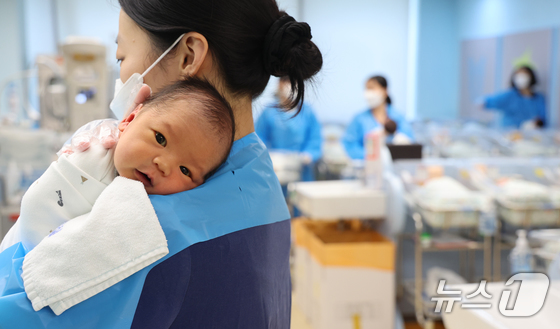
The Ministry of Health and Welfare announced on Thursday that a total of 48,981 babies were born in 2025 through the infertility treatment support program. This figure represents 19.2% of the total 254,457 births, meaning that approximately one in five babies born last year received assistance through this initiative.
The program covers up to 25 treatments per birth under health insurance (including five artificial inseminations and 20 in vitro fertilizations), with patients responsible for 30% of the cost. Local governments also provide support for up to 90% of out-of-pocket treatment costs and non-covered medical expenses. As a result, the number of babies born through this program increased by 31.4% from the previous year’s 37,276.
Among the infants born through the program last year, 12,749 were multiples, including twins. Additionally, 4,603 cases of premature births were recorded among those who underwent infertility treatments.
The Ministry explained that due to rising marriage ages and an increasing proportion of mothers over 35, the number of babies born through infertility treatments is likely to continue growing. However, they cautioned that advanced maternal age can increase the risks of multiple pregnancies and preterm births.
In South Korea, the average success rate for pregnancies resulting from in vitro fertilization is about 37%. However, this rate begins to decline at age 35 and drops further after 40. Experts recommend planning for pregnancy at a younger age to improve both conception chances and overall health outcomes for mother and baby.
The government is implementing various policies to support healthy pregnancies, including pre-pregnancy health management programs, preservation of reproductive cells for individuals facing potential infertility, and expansion of counseling centers for those dealing with infertility and pregnancy.
The fertility testing support program saw a significant increase in applicants, with 291,000 individuals applying in 2025, nearly 3.7 times more than the previous year. The average age of applicants also decreased, with women dropping from 32.9 to 32.3 years and men from 34.5 to 34.1 years.
Lee Sang-jin, the director of population and child policy at the Ministry, stated that it aims to expand integrated support from pregnancy preparation to infertility assistance and psychological support, ensuring that everyone who wishes to have a child can do so healthily and at the right time.
Couples seeking financial assistance for infertility treatments can apply online through government websites or by visiting their local health office. Starting this year, the notification period for support decisions has been extended to six months, streamlining the document issuance process for treatment candidates.