Celltrion Pharmaceutical is set to significantly expand its pre-filled syringe (PFS) production facilities in Osong, North Chungcheong Province, with a total investment of 2 trillion KRW (approximately 1.35 billion USD). The company aims to increase its production capacity from 20 million to 70 million units annually in response to growing global demand.
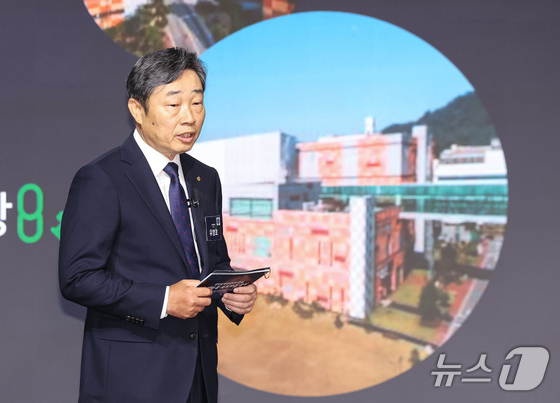
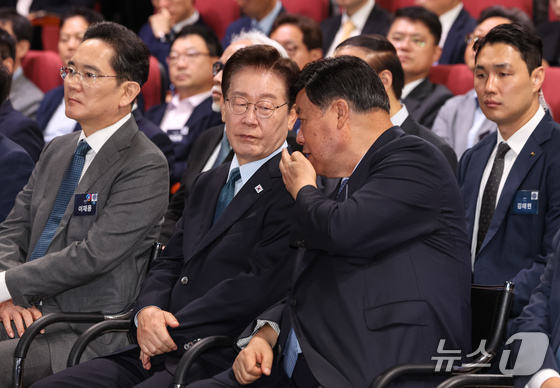
Chief Executive Officer (CEO) Yoo Young-ho unveiled the government’s support plan for investments in the Chungcheong region during the Chungcheong Region Advanced Industry Development Vision National Report Meeting held in Asan, South Chungcheong Province on July 2.
Yoo announced that it will make additional investments in PFS production facilities, leveraging our world-class quality and production capabilities. It plans to initiate the first phase with an investment of about 1 trillion KRW (approximately 676 million USD), followed by a second phase of equal value to ensure sustained growth.
Celltrion reports that the first phase of the investment will commence with design and construction in 2028, targeting full-scale operations by 2032.
Yoo explained that PFS products, which are pre-filled syringes, are experiencing rapidly growing global demand due to their convenience and safety. However, he noted that supply is struggling to keep pace with demand due to the complexities involved in establishing production facilities.
He added that Celltrion currently operates PFS production facilities certified by good manufacturing practice (GMP) in the U.S., Europe, and Japan, supplying about 20 million units annually to domestic and international markets. Once the investment is complete, it’ll add 50 million units to the existing capacity, bringing the total annual production to 70 million units.
The company plans to establish a comprehensive production system at the new factory, encompassing formulation, aseptic filling, assembly, and packaging, while also developing its own material production facilities.
Yoo emphasized that this investment goes beyond merely expanding production facilities. It’s a strategic move aimed at fostering regional growth and enhancing the national bio-health industry’s competitiveness. It intends to maximize synergies through collaboration with the Osong Bio Cluster and by leveraging the regional transportation network to strengthen our logistics capabilities.
Concurrently, the government announced its Next-Generation Advanced Industry Promotion Strategy for the Chungcheong Region and signed an investment agreement, committing to facilitate cooperation among businesses, central, and local governments.
To support this investment, the government will implement the BOOSTER program. Additional initiatives include promoting large-scale research and development (R&D) projects, offering local tax incentives for businesses and workers, nurturing national universities and convergence research institutes, and supporting specialized complexes in national advanced strategic industries and materials, components, and equipment sectors.
In the biotechnology sector, plans are underway to establish a public bio foundry and artificial intelligence (AI)-integrated public contract manufacturing facilities.