While it can’t definitively say whether different choices would have been made had they known in advance, patients should have had the opportunity to know the facts and make their own decisions.
Lee So-hee, a People Power Party member of the National Assembly’s Health and Welfare Committee, became paralyzed from the waist down due to a medical accident during scoliosis surgery at the age of fifteen.
Only after the surgery did she learn that the surgeon had been involved in another medical accident just a month prior. Even now, 20 years later, there’s no way for patients to access this information. This experience became the starting point for Rep. Lee’s initiative to establish a system for disclosing medical accident histories after entering the National Assembly.
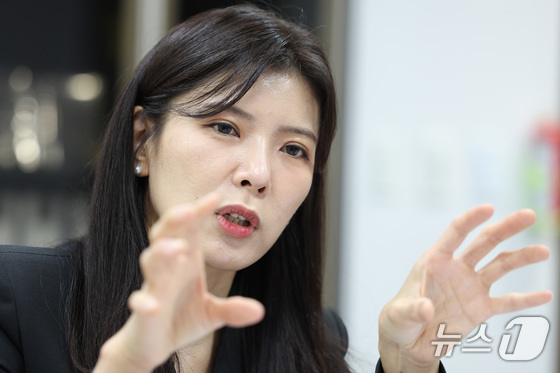
In an interview with News1 on September 2, Rep. Lee revealed that she is preparing legislation to allow patients to access information about medical professionals with histories of medical accidents.
The framework of the system is based on cases where medical professionals have received a confirmed sentence of imprisonment or higher for negligent homicide or injury in the course of medical practice. They are also considering how to include intentional serious crimes such as proxy surgeries, sexual offenses in operating rooms, and unlicensed medical practices. To this end, they held a series of discussions with patient groups, medical communities, and legal professionals in July and August.
Rep. Lee countered concerns from some in the medical community about stigmatization and the potential avoidance of defensive medicine and essential medical care. She pointed out that on average, only 13 cases per year result in guilty verdicts of imprisonment or higher in the first trial for negligent homicide or injury, meaning the vast majority of doctors would be unaffected by this system.
She explained that the intention is to guarantee patients’ minimal right to know and choose, given that doctors can retain their licenses even after receiving confirmed sentences of imprisonment or higher.
Rep. Lee also cited a recent case where two implant patients died within eight months at a dental clinic in Gangnam, and 13 patients were transported to emergency rooms over 22 ambulance calls in three years. Yet, the second patient and their family were completely unaware of the previous incident.
However, she drew the line at simply listing the number of judgments. To ensure that medical professionals who have been responsible for high-risk surgeries or critically ill patients are not unfairly evaluated, she promised to present specific details of the incidents and disclosure periods, along with procedures for medical professionals to explain directly or correct inaccurate information.
Rep. Lee emphasized that the legislation is being prepared based on objective data and rational procedures, not personal experiences. The key is not to punish medical professionals but to correct the imbalance of information between patients and doctors.
Support for Student Patients as First Bill
Rep. Lee is also pushing for an amendment to the Elementary and Secondary Education Act as her first representative bill after entering the National Assembly, aimed at supporting student patients who need ongoing health management, such as those with Type 1 diabetes.
She explained that student patients doesn’t just refer to students who can’t attend school due to illness. It’s an attempt to define and address the needs of children who must balance treatment and studies, including those with Type 1 diabetes, glycogen storage disease, childhood cancer, congenital heart disease, and organ transplants, as a single policy target group.
Rep. Lee emphasized that this system is designed to create schools where students don’t have to choose between health and education due to their conditions, allowing them to receive treatment while learning and challenging themselves fairly.
The core of the amendment is to provide a clear legal basis for student patients to use smart devices and assistive devices for treatment or health monitoring during class. A typical example is a Type 1 diabetes student checking their blood sugar levels using a smartphone connected to a continuous glucose monitor.
Rep. Lee stressed that checking blood sugar is not a matter of convenience but a life-critical health management practice to immediately respond to the risks of hypoglycemia and hyperglycemia. She emphasized that this should not be left solely to the goodwill of teachers or the discretion of schools.
She also plans to review attendance criteria and operational practices to ensure that absences due to regular medical appointments do not disadvantage students.
Telemedicine Drug Delivery Focused on Safety; Prioritizing Safe Use System for Abortion Medication
Rep. Lee expressed a cautious attitude towards the government’s recent announcement to consider expanding telemedicine drug delivery.
She pointed out that drug delivery was limited to residents of islands and remote areas, and those with mobility difficulties through a bipartisan agreement late last year, set to be implemented this December. Given unresolved safety issues such as deterioration during delivery, misdelivery, and gaps in medication guidance, she argued that the current law should be implemented and verified first before discussing expansion.
Regarding the controversy over the introduction of abortion medication, she emphasized that more important than the debate over the Food and Drug Administration’s approval is ensuring the safety for the 20-30-year-old women who will actually use these drugs. She stated that even for overseas-approved medications, a safe usage system including side effect management and prescription procedures must be in place. She added that her party would also prepare legislative alternatives that encompass both life protection and women’s health.
Concerning the amendment to the Waste Management Act passed by the National Assembly in June, allowing the use of human-derived fat from liposuction for drug and medical device development, she stressed the need for follow-up legal refinements. These should include principles for patient consent, ownership of human-derived materials, profit-sharing, and safety management standards before commercial utilization.
Rep. Lee stated that materials derived from the human body are different from ordinary raw materials. She emphasized that substantive patient consent, principles for the attribution and sharing of commercial benefits, and safety standards for infection control and traceability should be established through health and welfare committee-related laws such as the Bioethics Act and the Advanced Regenerative Medicine and Advanced Biopharmaceuticals Act.
2030 Voter Sentiment is a Reactive Benefit; Need to Break Down Money and Organizational Barriers Within the Party
Regarding youth politics and the direction of change for conservative parties, she offered a candid assessment of her own party, the People Power Party.
Rep. Lee characterized the recent conservative support from those in their 20s and 30s as a reactive benefit, warning that while they may have temporarily chosen the People Power Party out of frustration with the Democratic Party’s hypocrisy and double standards, they will turn their backs without hesitation if we don’t relinquish our own vested interests and change our constitution.
To overcome this, she proposed alternatives such as: eliminating deposit fees for young candidates running for party positions (Zero Deposit for Youth), significantly easing loan regulations for first-time homebuyers and young people without homes, and introducing a Future Generation Impact Assessment for bills to prevent legislation that shifts costs to younger generations.
Finally, Rep. Lee stated that she believes her role is to bring to the National Assembly agenda the voices that have been diminished because they couldn’t be organized, such as student patients and medical accident victims. She pledged to realize legislation protecting people’s lives and patients’ rights during her term, including support for student patients and the disclosure of medical accident histories.
◇ Profile of Lee So-hee, People Power Party Representative
△Born in 1986 △Bachelor’s degree from Ewha Womans University Law School △Master of Laws from Kyungpook National University Law School △Lawyer △4th Sejong Special Self-Governing City Council Member (Chair of Education and Safety Committee) △Member of the Presidential Committee for National Cohesion △Member of the People Power Party Emergency Response Committee △Member of the People Power Party Innovation Committee △22nd National Assembly Member (Proportional Representative) △Member of the National Assembly Health and Welfare Committee