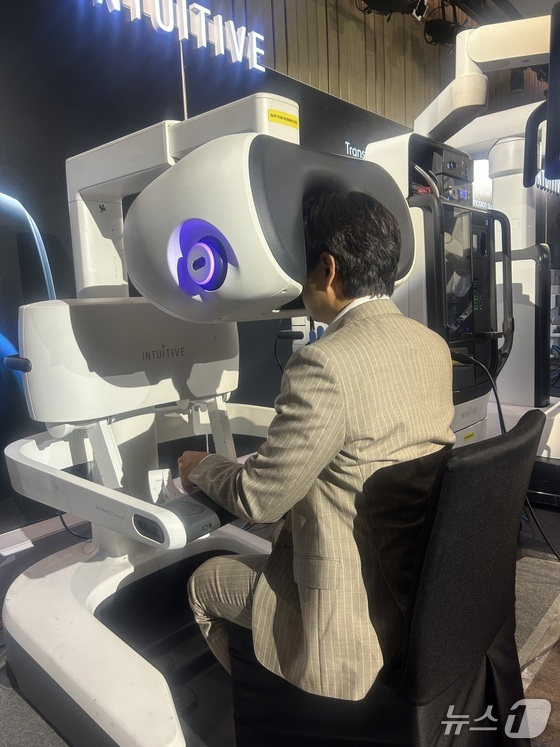
Intuitive Surgical Korea announced on Thursday that a comprehensive meta-analysis comparing outcomes of robot-assisted surgery with laparoscopic and open procedures has been published in the international journal Annals of Surgery Open.
The study examined 13 types of benign disease surgeries across gynecology, general surgery, urology, bariatric surgery, and hernia repair. Researchers analyzed data from approximately 13.9 million patients, synthesizing 366 comparative studies from 32 countries published between 2010 and 2024.
Results showed that robot-assisted surgery had a 54% lower risk of conversion to open surgery compared to laparoscopic procedures. Patients undergoing robotic surgery had shorter hospital stays by about 4 hours, returned to work 2 days earlier on average, and were 13% less likely to need blood transfusions. Pain scores and analgesic use were also lower in robotic surgery cases.
The study found no statistically significant differences between the two surgical approaches in terms of complications, surgical site infections, readmissions, or 30-day mortality rates. However, robot-assisted procedures took about 24 minutes longer on average than laparoscopic surgeries.
Compared to open surgery, the advantages of robot-assisted procedures were even more striking. Robotic surgery patients had a 69% lower chance of needing blood transfusions, 46% fewer complications within 30 days, and a 60% lower risk of surgical site infections.
Hospital stays were shortened by about 2 days, and patients returned to work approximately 5 days earlier. The likelihood of using pain medication within 30 days after surgery was 37% lower. However, robotic surgeries took about 46 minutes longer on average than open procedures.
The analysis incorporated 13 randomized controlled trials, 21 prospective cohort studies, 101 database studies, and 231 retrospective cohort studies.
Researchers cautioned that while these findings show a correlation between surgical methods and patient outcomes, they do not prove causation. This is primarily because most included studies were retrospective observational studies.
The study had some limitations: comparisons with open surgery were restricted to 9 out of 13 procedures, and it didn’t include cases using the latest da Vinci Xi system released after 2024. Long-term outcomes for specific surgeries and certain complications were not evaluated.
Dr. Thomas H. Shin, a bariatric surgeon at Massachusetts General Hospital Brigham who led the study, emphasized the importance of considering multiple factors when choosing a surgical approach. It must weigh the type of surgery, patient characteristics, surgeon expertise, and clinical setting to determine the most appropriate surgical method, he stated.
In 2024, Intuitive Surgical published another meta-analysis in Annals of Surgery, comparing robot-assisted, laparoscopic, and open surgeries for seven types of cancer procedures.
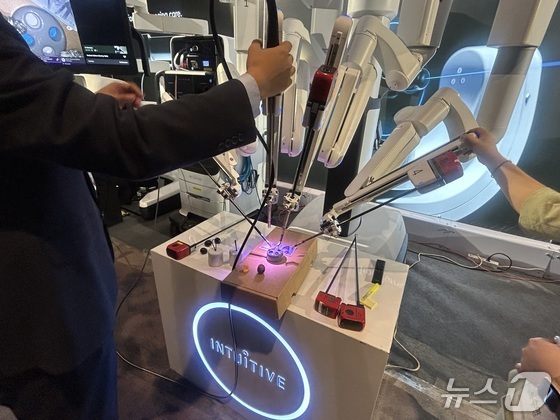
Since its establishment in 2012, Intuitive Surgical Korea has been instrumental in advancing minimally invasive surgery in the country. The company provides da Vinci robotic surgical systems, offers technical support, and conducts research. As of March 2026, it employs over 200 staff members in Korea.