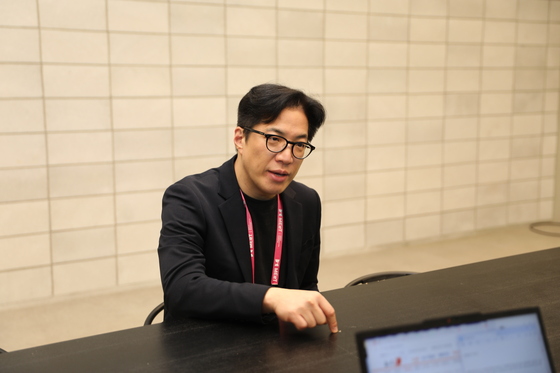
The number of doctors launching healthcare startups is growing, but turning a problem identified in clinical practice into technology that is actually used in hospitals can take years. Beyond technology development, entrepreneurs must navigate clinical trials, regulatory approvals, reimbursement, and hospital adoption.
Kim Kwang-jun, CEO of AITRICS, experienced this process firsthand. Kim, a geriatric medicine specialist, founded the company to address problems he encountered while treating patients. It took seven to eight years before the technology could be deployed in real-world medical settings.
Kim decided to launch the company after seeing challenges in geriatric care. Elderly patients require close observation, but it is difficult for medical staff to continuously monitor every patient’s condition. Kim believed the problem could be addressed if AI could predict changes in a patient’s condition and help clinicians intervene at the appropriate time.
However, there was a gap between a technology that doctors see as medically necessary and a medical product that can actually be used in hospitals.
“Even if you have the technology and there is a clear medical need, clinical trials and regulatory approval are required before it can be used in hospitals,” Kim said. “It took seven to eight years to reach the point where the product could receive reimbursement and actually be used in hospitals.”
Building the Technology Is Only the Beginning
After founding the company, Kim encountered challenges he had never experienced as a physician. As CEO, he became responsible not only for developing the product but also for regulatory approval, quality management, clinical trials, sales, hiring, and organizational management.
As the company has grown, Kim has recently strengthened its human resources function. His view is that failing to secure the necessary talent at the right time could delay the business itself.
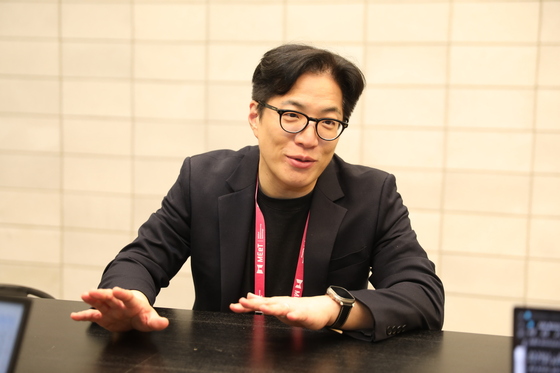
Kim views the role of a founder less as a position of authority and more as one of responsibility. In his view, a CEO must not only make decisions but also take responsibility for the results of the organization and the business.
His priorities have also changed as AITRICS prepares for a potential public listing. In the past, making upfront investments for future growth was a major focus. Now, he must consider growth, profitability, and organizational efficiency at the same time.
“We need to grow, generate profits, and operate the organization efficiently,” Kim said. “The CEO’s job is not to do everything well alone, but to build an organization that works effectively as a whole.”
AITRICS’s VitalCare analyzes medical data accumulated in hospitals to help predict deterioration in a patient’s condition at an early stage. But Kim’s ultimate vision extends beyond an AI system that operates only inside hospitals.
His goal is to connect medical information generated in hospitals with health information generated by patients in their daily lives, allowing clinicians to develop a more comprehensive understanding of a patient’s condition.
Kim describes this concept as “omni-care.” Because the time a patient spends receiving treatment in a hospital represents only a fraction of their overall life, he believes information generated outside the hospital must also be connected to properly understand a person’s health.
“From a hospital’s perspective, every time it adopts an AI product, it has to connect that product to its existing healthcare information systems,” Kim said. “The platform we envision is an intermediary layer that allows AI solutions to connect easily to hospital systems.”

Kim also serves as a team doctor for South Korea’s national soccer team. In June, he supported the national team at the FIFA World Cup in North America.
“Ensuring that the players receive the best possible medical care so they can perform at their best is also part of what I need to do as a doctor,” Kim said. “Meeting patients and players face-to-face in the field also helps me both in running the company and in my own personal growth.”
“Although my role has changed from doctor to entrepreneur, the starting point—identifying problems and finding solutions—has remained the same,” he added. “It is about identifying what patients need and solving those problems. But now, rather than serving a single patient as a physician, I want to use technology and an organization to deliver solutions to many more patients.”